


What's Happening?
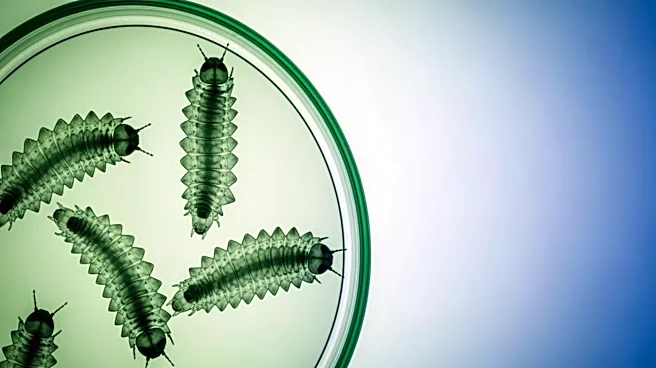
The Georgia Department of Agriculture (GDA) has announced new interstate movement health requirements for all warm-blooded animals entering Georgia. This decision follows the detection of New World Screwworm (NWS) in Zavala County, Texas. The enhanced
measures are designed to protect Georgia's agriculture industry, which is the state's leading economic sector. Agriculture Commissioner Tyler Harper emphasized the importance of vigilance and preparedness, noting that while no screwworm cases have been detected in Georgia, the state is actively monitoring the situation. The new requirements mandate that animals from affected areas must comply with the NWS National Animal Movement Guidance and obtain an entry permit from the GDA at least 48 hours before entering Georgia. Additionally, animals from surveillance zones or high-risk counties must have a Certificate of Veterinary Inspection (CVI) confirming they are free of screwworm larvae.
Why It's Important?
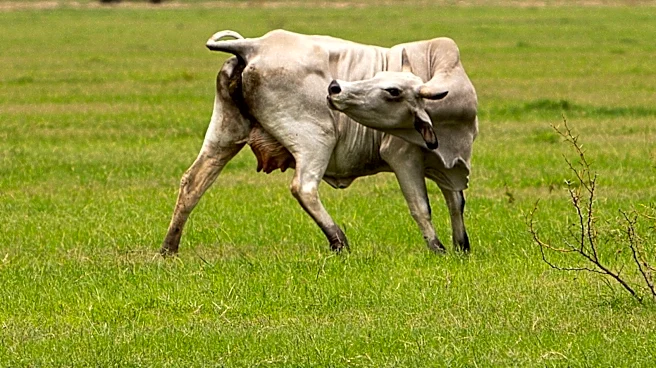
The implementation of these measures is crucial for safeguarding Georgia's agriculture, which is a significant contributor to the state's economy. The New World Screwworm poses a severe threat to livestock, and its presence in Texas has already led to economic repercussions, including temporary import restrictions on Texas livestock by Canada. By enforcing stricter import requirements, Georgia aims to prevent the spread of this parasite, thereby protecting its agricultural industry and the livelihoods of farmers and producers. The proactive steps taken by the GDA reflect the state's commitment to maintaining animal health and supporting its agricultural community.
What's Next?
Georgia will continue to monitor the situation closely in collaboration with state and federal partners. The GDA will provide ongoing updates and guidance to ensure compliance with the new import requirements. Farmers and animal importers are encouraged to stay informed and adhere to the regulations to prevent any potential outbreaks. The situation in Texas will likely influence further actions, and adjustments to the requirements may be made as new information becomes available.