







What's Happening?
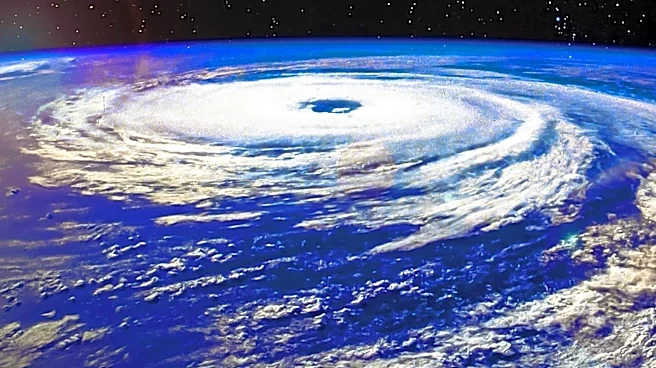
The United Nations has issued a warning about the intensifying El Nino phenomenon, which is expected to exacerbate global climate challenges. UN Secretary-General Antonio Guterres highlighted that the El Nino is adding to a planet already experiencing
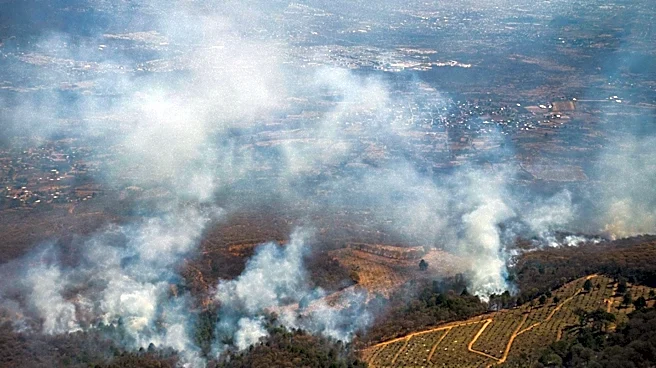
extreme weather, including record-breaking heat, wildfires, and shifting rainfall patterns. The World Meteorological Organization (WMO) has projected that the El Nino will intensify from August, leading to above-normal temperatures and altered rainfall patterns worldwide. This development comes as countries in Africa and Europe are battling massive wildfires, and monsoon season has caused significant disruptions across South Asia.
Why It's Important?
The intensification of the El Nino phenomenon is significant as it poses a heightened risk of extreme weather events, including heatwaves, droughts, and floods, which can have severe impacts on agriculture, water resources, and human health. The UN's call for a halt to new fossil fuel projects underscores the urgency of addressing climate change, as the convergence of El Nino with human-induced climate change could amplify these challenges. The potential for increased global temperatures and disrupted weather patterns could affect food security, economic stability, and the livelihoods of millions, particularly in vulnerable regions.
What's Next?
As the El Nino phenomenon intensifies, governments and humanitarian agencies are urged to take concrete actions to safeguard vulnerable communities. The WMO emphasizes the need for early warnings to translate into effective measures to mitigate the impacts of extreme weather. The UN's call for an immediate halt to new coal, oil, and gas projects highlights the need for accelerated climate action to prevent further exacerbation of the crisis. The decisions made today will shape the future impacts of climate change and the ability to manage the challenges posed by El Nino.
Beyond the Headlines
The intensifying El Nino phenomenon raises ethical and policy questions about global responsibility and the need for international cooperation in addressing climate change. The call to halt fossil fuel expansion highlights the tension between economic development and environmental sustainability. Long-term shifts in climate patterns could lead to changes in migration patterns, geopolitical tensions over resources, and increased pressure on global governance systems to address these complex challenges.