





What's Happening?
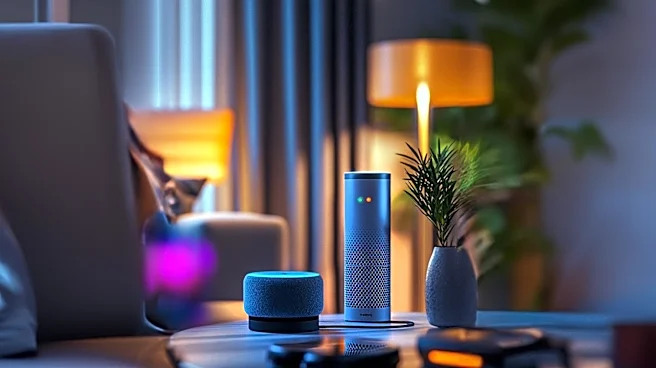
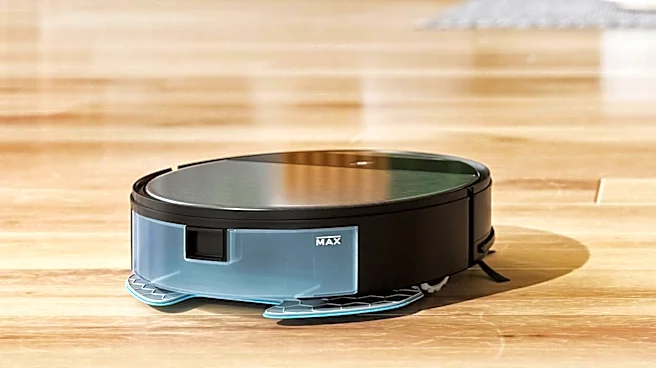
Home automation is the process of integrating Internet of Things (IoT) devices, such as lighting, heating, and security cameras, into a centralized application. This system allows for intuitive control and monitoring of various home functions. Key features
of home automation include a user-friendly interface, real-time monitoring capabilities, and a scalable architecture that can adapt to different home sizes and needs. The technology also emphasizes energy efficiency, robust security measures, and data analytics to optimize home operations. Homeowners can automate tasks, such as adjusting garden watering schedules based on weather forecasts and soil moisture levels. Voice commands through virtual assistants can also be used to control home environments. Remote access with secure authentication is a significant aspect, enabling users to manage their homes from anywhere. Automations can be set to run automatically at specific times or when certain accessories are activated, and remote control is facilitated by a home hub like Apple TV 4K or HomePod speakers.
Why It's Important?
The widespread adoption of home automation technology has significant implications for U.S. industries, particularly in consumer electronics, real estate, and energy sectors. For consumers, it offers enhanced convenience, security, and potential energy savings, leading to a higher quality of life. The demand for smart home devices and installation services is driving innovation and job creation in the technology and service industries. Real estate developers are increasingly incorporating smart home features into new constructions, making these properties more attractive and valuable. The focus on energy efficiency within home automation systems can contribute to broader national goals of reducing energy consumption and carbon footprints. However, the reliance on interconnected devices also raises concerns about data privacy and cybersecurity, necessitating robust regulatory frameworks and industry standards to protect consumer information. The interoperability of devices from different manufacturers, supported by standards like Matter and Thread, is crucial for the continued growth and accessibility of this technology, preventing consumers from being locked into single ecosystems.
What's Next?
The future of home automation is expected to see continued advancements in artificial intelligence and machine learning, leading to more predictive and personalized home environments. Integration with other emerging technologies, such as advanced health monitoring systems and smart city infrastructure, could create more comprehensive and interconnected living spaces. The development of more sophisticated security protocols and privacy safeguards will be critical to address growing concerns among consumers. As the technology becomes more accessible and affordable, its adoption is likely to expand beyond early adopters to a broader demographic, including older adults seeking assistance with daily living. Industry efforts will likely focus on creating more seamless user experiences and ensuring compatibility across a wider range of devices and platforms. The role of home hubs, such as Apple TV 4K and HomePod speakers, will continue to evolve, potentially becoming central command centers for an even wider array of smart home functions and services.
Beyond the Headlines
Beyond the immediate benefits of convenience and efficiency, home automation is subtly reshaping our relationship with our living spaces and technology. It fosters a new paradigm of proactive living, where homes anticipate needs and respond autonomously, potentially reducing mental load and improving well-being. The ethical implications of pervasive monitoring and data collection within the home environment will become increasingly prominent, requiring ongoing public discourse and policy development to balance innovation with individual rights. Culturally, the smart home is transforming expectations of comfort, security, and connectivity, potentially influencing architectural design and urban planning. The long-term shift could lead to homes that are not just structures but intelligent, adaptive ecosystems, blurring the lines between physical and digital spaces. This evolution also presents opportunities for greater inclusivity, enabling individuals with disabilities or mobility challenges to live more independently through assistive smart technologies.