



What's Happening?
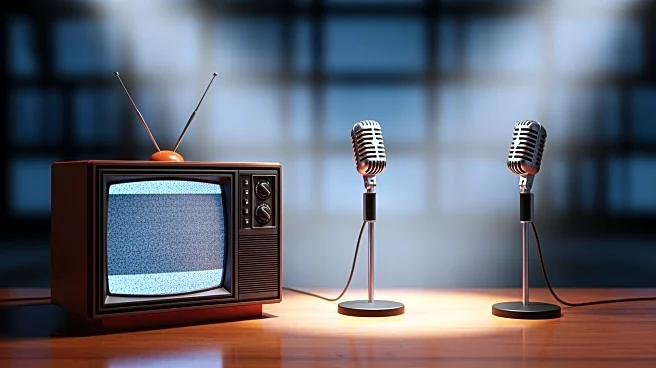
The Federal Communication Commission (FCC) has issued new guidance on political equal time rules, impacting late night and daytime talk shows. Historically, interviews with politicians on these shows were exempt from equal time rules, a precedent set
by a 2006 decision regarding Jay Leno's Tonight Show. However, the FCC's recent notice suggests that not all such interviews qualify for this exemption. The rule requires stations to offer equal time to rival candidates if free time is given to one. Stephen Colbert and Jimmy Kimmel have addressed this development, with Colbert humorously noting the limited impact on his show, which ends in May. Kimmel criticized the move as an attack on free speech, highlighting the diminished influence of broadcast TV in a diverse media landscape.
Why It's Important?
The FCC's decision could significantly affect how political candidates are featured on popular talk shows, potentially altering the media landscape ahead of the 2026 midterm elections. This move may lead to stricter scrutiny of political content on these platforms, impacting how candidates reach audiences. The change reflects broader concerns about media influence on public opinion and the balance of political representation in broadcast media. As traditional TV's influence wanes, the decision underscores ongoing debates about media regulation in a fragmented digital age.
What's Next?
With the midterm elections approaching, talk shows may need to reassess their guest bookings to comply with the new guidance. This could lead to changes in how political content is presented on these platforms. The FCC's decision may prompt further discussions about media regulation and its role in ensuring fair political representation. Stakeholders, including broadcasters and political candidates, will likely monitor the situation closely to understand its implications for media strategy and political campaigning.