






What's Happening?
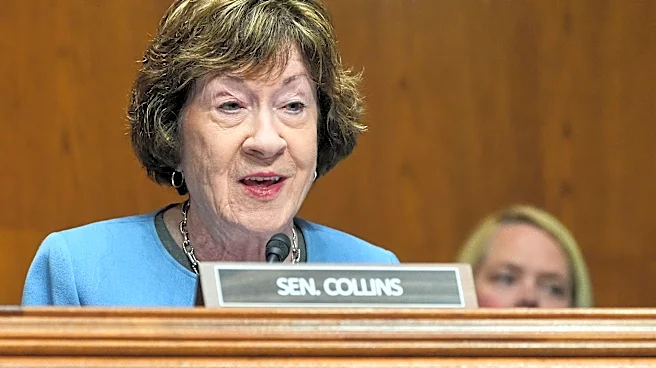
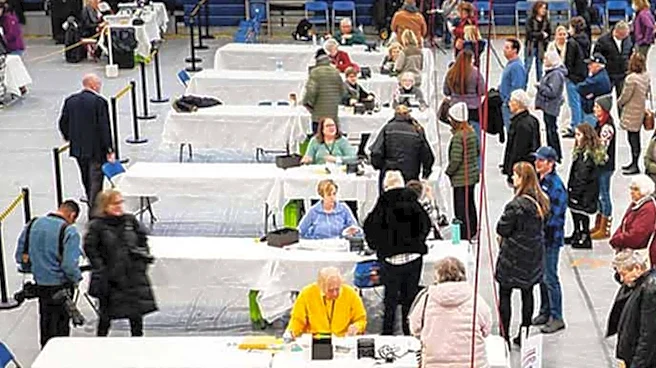
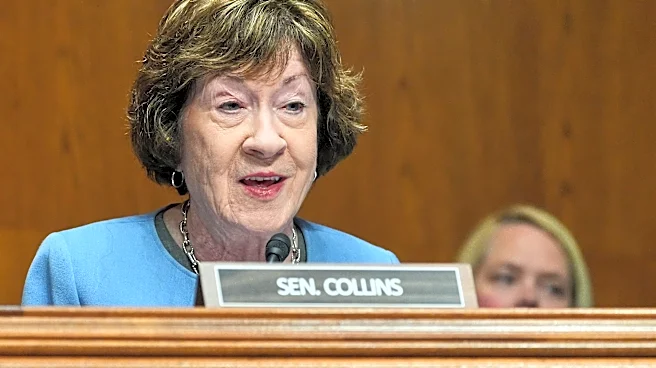
With five weeks remaining until the midterm elections, two key Senate races in New England are being closely watched as 'toss-ups.' In Maine, the focus is on whether Republican incumbent Susan Collins will successfully defend her Senate seat. Simultaneously,
in New Hampshire, attention is on who will emerge victorious to replace Democratic Senator Jeanne Shaheen. These races are considered pivotal in determining the overall control of the U.S. Senate. Political reporter James Pindell of The Boston Globe provided insights into the current state of these contests. The competitive nature of these elections indicates a tight race where the outcome is uncertain, and both parties are likely to intensify their campaign efforts in the final weeks. The results of these New England races will contribute significantly to the national political landscape and the balance of power in Congress.
Why It's Important?
The designation of these New England Senate races as 'toss-ups' underscores their critical importance in the broader context of U.S. national politics. The control of the Senate can dictate the legislative agenda, influence judicial appointments, and shape the direction of federal policy. If the Republican incumbent in Maine or the Democratic successor in New Hampshire were to lose, it could significantly alter the balance of power, potentially leading to a shift in which party holds the majority. This has direct implications for the passage of bills, the confirmation of presidential nominees, and the ability of either party to advance its core objectives. For industries, a change in Senate control could mean different regulatory environments or shifts in funding priorities. For society, it could impact policies related to healthcare, education, and social programs. The close nature of these races also means that every vote will be crucial, and both national and local resources will be poured into these states to sway undecided voters, highlighting the intense competition and high stakes involved.
What's Next?
As the midterm elections draw closer, the campaigns in Maine and New Hampshire will enter their final, most intense phase. Voters can anticipate a significant increase in campaign advertising, candidate appearances, and get-out-the-vote efforts from both parties. Debates and town halls will likely become more frequent, offering candidates final opportunities to articulate their platforms and differentiate themselves from their opponents. Political organizations and national parties will continue to invest resources, including financial support and volunteer mobilization, into these critical races. Polls will be closely watched for any shifts in voter sentiment, and campaign strategies will be adjusted in real-time based on these indicators. On election day, the outcomes of these 'toss-up' races will be among the most anticipated results, as they will directly contribute to determining which party controls the U.S. Senate. The results will set the stage for the legislative priorities and political dynamics of the next Congress.
Beyond the Headlines
The intense focus on 'toss-up' races like those in Maine and New Hampshire reveals a deeper trend in American politics: increasing polarization and the high stakes associated with every election cycle. When a handful of races can determine the balance of power in Congress, it amplifies the pressure on candidates and voters alike, often leading to more aggressive campaigning and a greater reliance on national narratives over local issues. This dynamic can also contribute to political gridlock if the Senate remains closely divided, making it challenging to pass significant legislation. Furthermore, the concept of 'toss-up' races often attracts substantial outside spending, which can further nationalize local elections and potentially drown out the voices of grassroots movements or less-funded campaigns. The outcome of these races is not just about who wins a seat, but about the broader ideological direction of the country and the ability of the government to address pressing national challenges, reflecting the ongoing struggle for political dominance in a deeply divided nation.