






What's Happening?
Retired Army Lt. Col. William Swenson and retired Army Command Sergeant Major Matthew Williams, both recipients of the Medal of Honor, were interviewed by Margaret Brennan. The interview, which aired on May 24, 2026, delved into their experiences in the military
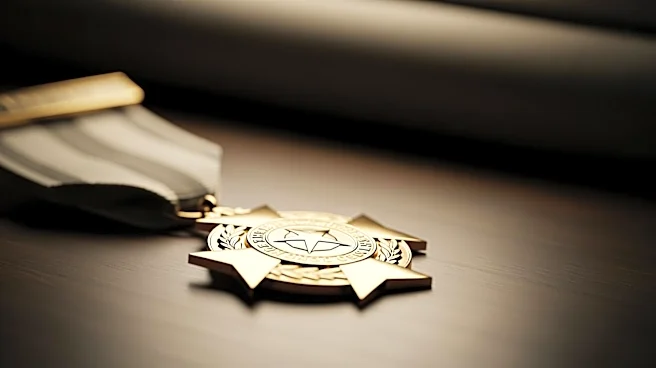
and the significance of receiving the nation's highest military decoration. Swenson and Williams shared insights into their service, the challenges they faced, and the impact of their recognition on their lives and careers. The Medal of Honor is awarded for acts of valor above and beyond the call of duty, and both veterans discussed the responsibilities and expectations that come with such an honor.
Why It's Important?
The interview highlights the personal stories of two distinguished veterans, offering a glimpse into the sacrifices and bravery required in military service. The Medal of Honor is a symbol of extraordinary heroism, and the stories of Swenson and Williams serve to inspire and educate the public about the realities of military life. Their experiences underscore the importance of recognizing and honoring those who serve, as well as the ongoing need to support veterans as they transition to civilian life. This discussion also brings attention to the broader issues faced by veterans, including mental health and reintegration into society.
What's Next?
Following the interview, there may be increased public interest in the stories of Medal of Honor recipients and the challenges they face. This could lead to further discussions on how to better support veterans, both in terms of policy and community initiatives. Additionally, the interview may inspire other veterans to share their stories, contributing to a greater understanding of military service and its impact on individuals and families.
Beyond the Headlines
The interview with Swenson and Williams also touches on the ethical and cultural dimensions of military service. It raises questions about the nature of heroism and the societal values that are reflected in the awarding of military honors. The conversation may prompt a reevaluation of how society views and supports its veterans, potentially influencing future policies and public attitudes towards military service and recognition.