




What's Happening?
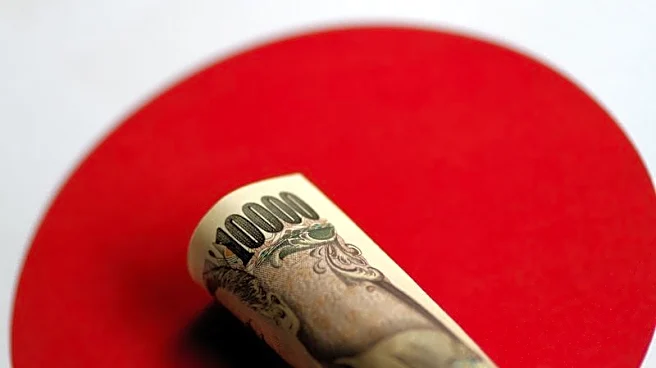
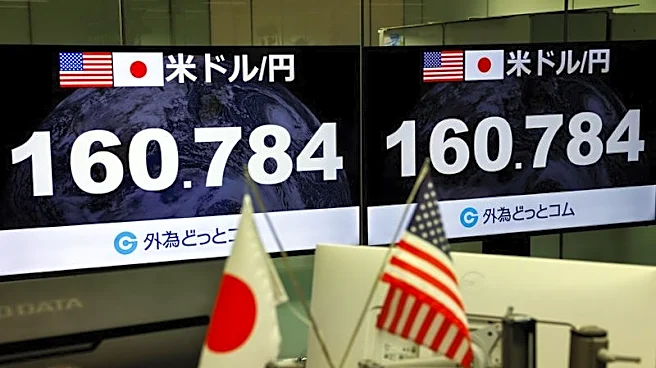
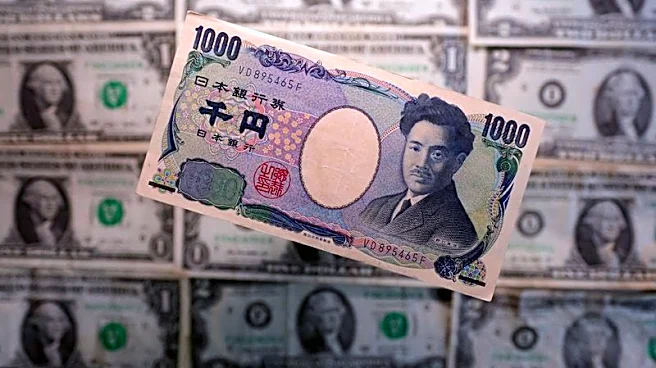
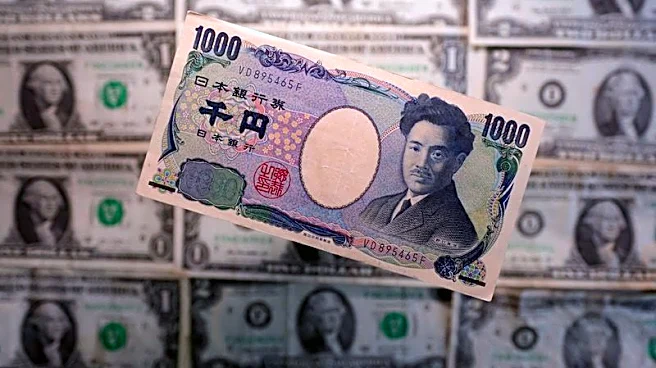
The U.S. Treasury has intervened in the yen market, purchasing yen to support the struggling Japanese currency, which is near 40-year lows. This marks the first yen-buying intervention by Washington in over a decade. The Federal Reserve Bank of New York
facilitated the transaction by selling euros for yen on behalf of the Treasury through Goldman Sachs and Morgan Stanley. The intervention aims to stabilize the yen and counter speculative bets that have pressured the currency. Japan and the U.S. may announce a policy next week to further address the yen's weakness.
Why It's Important?
The intervention by the U.S. Treasury is significant as it highlights the collaborative efforts between Japan and the U.S. to stabilize the yen, which has implications for global financial markets. A stable yen is crucial for international trade and economic relations between the two countries. The move also serves as a warning to speculators betting against the yen, potentially deterring further market volatility. The intervention could impact currency exchange rates, affecting businesses and investors involved in international trade.
What's Next?
Japan and the U.S. are expected to unveil a policy addressing the yen's weakness, which could further stabilize the currency and reassure markets. The announcement may deter speculative bets against the yen, contributing to more orderly market functioning. Stakeholders, including financial institutions and investors, will closely monitor these developments, as they could influence currency trading strategies and economic forecasts.