




What's Happening?
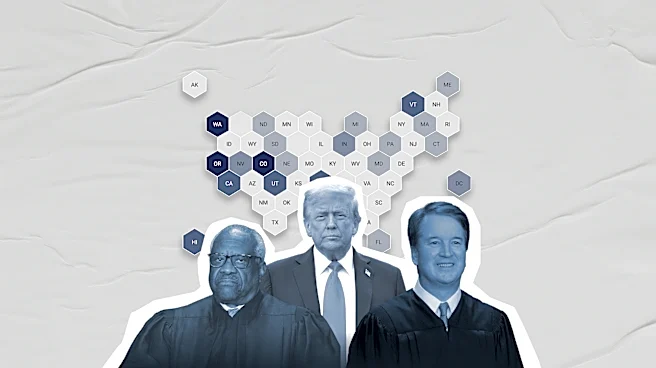
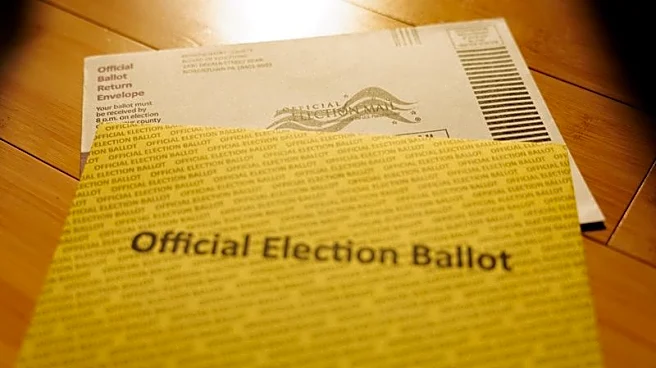
President Trump has publicly criticized the Supreme Court after it rejected his administration's efforts to restrict mail-in voting for the upcoming midterm elections. In a social media post, President Trump expressed his disappointment, stating that
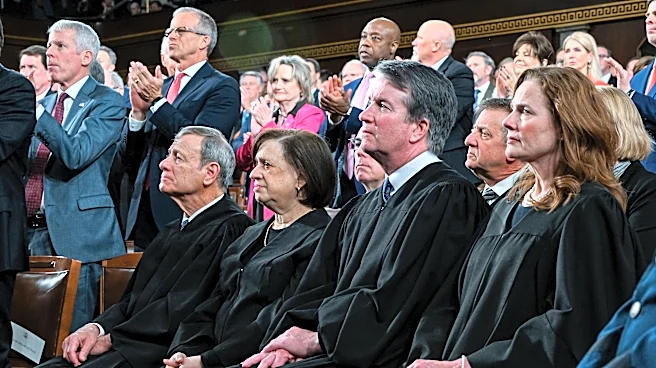
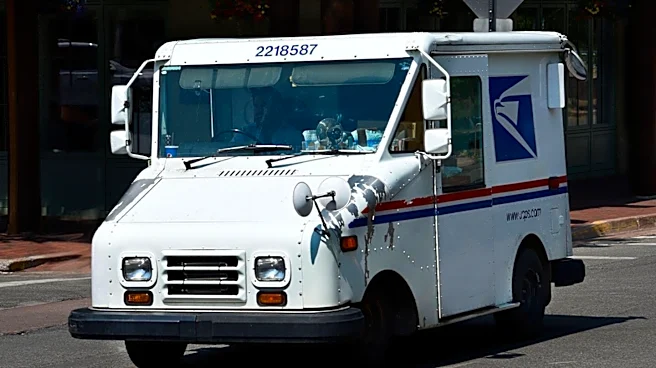
the Justices who ruled against him were 'not the people I interviewed.' He accused the Court of being 'bullied and cajoled by the Radical Left' into making decisions that he believes are detrimental to the country. The Trump administration had sought to involve the U.S. Postal Service in determining who could receive a mail-in ballot, but state election officials argued there was insufficient time to implement such changes before the November 3 elections and maintained their existing systems were secure. The Supreme Court issued an emergency order, indicating that the proposed restrictions would likely fail in court, at least for this year's election. Justices Sam Alito and Clarence Thomas publicly dissented from the order, whom President Trump praised as 'legends.'
Why It's Important?
President Trump's criticism of the Supreme Court, particularly regarding election procedures, carries significant weight due to his past challenges to election integrity and his role in appointing several of the current Justices. This ruling ensures that states can continue to use their established mail-in voting processes, which are utilized by approximately one-third of voters. The decision has immediate implications for the administration of the upcoming midterm elections, preventing last-minute changes that could have caused widespread confusion and disenfranchisement. The President's remarks also highlight ongoing political tensions surrounding voting methods and the judiciary's role in electoral processes, potentially eroding public trust in judicial independence and election outcomes. His assertion that the Court is 'costing the United States Trillions of Dollars' with 'shockingly bad rulings' reflects a broader narrative of judicial activism and political influence.
What's Next?
The Supreme Court's decision means that states will proceed with their current mail-in voting procedures for the upcoming midterm elections. This provides clarity for election officials and voters, avoiding last-minute disruptions. However, President Trump's continued public criticism of the judiciary and election processes suggests that the debate over voting methods and judicial appointments will remain a prominent political issue. His comments could further energize his base and influence future political discourse, particularly concerning judicial nominations and electoral reforms. The long-term implications may include continued efforts to challenge or reform voting laws, potentially leading to more legal battles and political polarization around election integrity.
Beyond the Headlines
This event delves into the complex interplay between the executive branch, the judiciary, and electoral processes in the U.S. President Trump's consistent pattern of attacking judges who rule against his wishes, even those he appointed, raises fundamental questions about the independence of the judiciary and the separation of powers. His belief that judicial appointees owe loyalty to the President who nominated them challenges the traditional understanding of judicial impartiality. The broader context includes ongoing debates about election security, voter access, and the role of mail-in ballots, which became a contentious issue during the 2020 election. The Supreme Court's decision, while procedural, reinforces the stability of established electoral practices against last-minute political interventions, underscoring the judiciary's role as a check on executive power, even when it draws presidential ire.