



What's Happening?
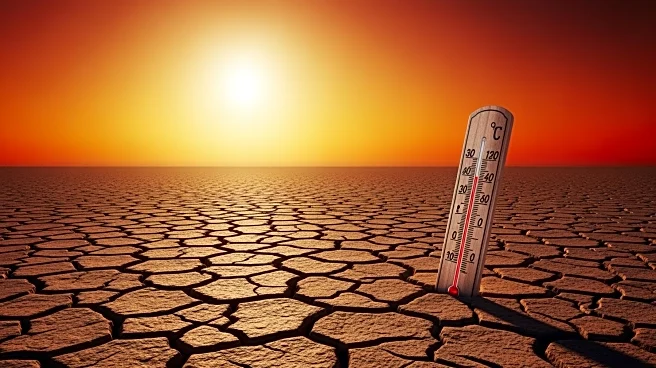
The Falcon Dam weather station in southeastern Texas has recorded a preliminary temperature of 106°F on February 26, marking the hottest temperature ever recorded in the United States during the winter months. This unprecedented heat was documented along
the Rio Grande, a region known for its typically warm climate, but not for such extreme winter temperatures. The record-breaking temperature highlights a significant deviation from normal winter weather patterns in the area, raising concerns about the broader implications of climate variability and extreme weather events.
Why It's Important?
This record-setting temperature in Texas underscores the growing concerns about climate change and its impact on weather patterns. Such extreme temperatures during winter months could have significant implications for agriculture, water resources, and energy consumption in the region. Farmers may face challenges with crop yields due to unseasonably warm conditions, while increased energy demand for cooling could strain local power grids. Additionally, this event may prompt further discussions and policy considerations regarding climate adaptation and mitigation strategies at both state and national levels.
What's Next?
The recording of this temperature may lead to further investigations by meteorologists and climate scientists to understand the underlying causes and potential long-term trends. Policymakers and environmental agencies might consider implementing measures to address the impacts of such extreme weather events. Public awareness campaigns could be initiated to educate communities about the potential risks and necessary precautions during periods of extreme heat, even in typically cooler months.
Beyond the Headlines
Beyond the immediate implications, this event could contribute to a broader dialogue about the need for sustainable practices and policies to combat climate change. It may also influence public opinion and increase support for renewable energy initiatives and carbon reduction efforts. The occurrence of such extreme weather events could serve as a catalyst for more aggressive climate action at local, national, and international levels.