

What's Happening?
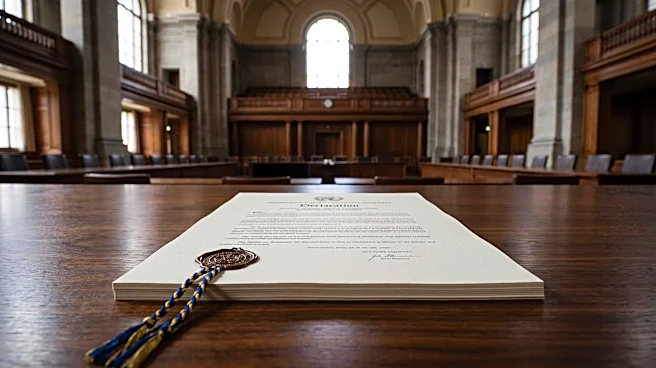
Over 400 young leaders from more than 50 countries, participating in the Global Model WHO 2026 in Geneva, have adopted a Youth Declaration on Plastics and Health. This declaration, issued at the closing ceremony of the fourth Global Model WHO from November
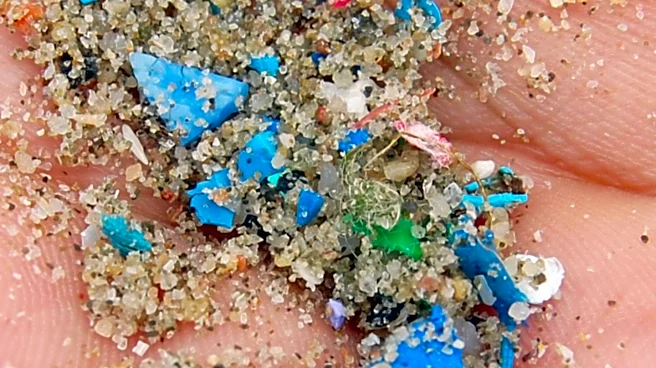
10 to 13, 2026, calls on governments to safeguard human health from the detrimental effects of plastics. The delegates highlighted that over 16,000 chemicals are used in plastics, with at least one in four being hazardous, and plastic particles have been found in human blood, brain tissue, and amniotic fluid. The declaration is specifically addressed to two upcoming meetings in 2027: the resumed negotiations on a global plastics treaty in March and the Eightieth World Health Assembly in May. Alexander Dietz, Director-General of the Global Model WHO 2026, emphasized that the current informal treaty text from August 2026 lacks an article on health, underscoring the urgency of their appeal.
Why It's Important?
This declaration is significant as it represents a unified voice from young global leaders demanding that health considerations be central to the forthcoming global plastics treaty. The emphasis on binding health obligations, the inclusion of health ministries in national delegations, and safeguards against conflicts of interest from the plastics and petrochemical industries could profoundly influence international policy. The call for measurable targets to reduce plastic production and a phase-out of chemicals of concern directly addresses public health risks associated with plastic exposure. If adopted, these measures could lead to stricter regulations on plastic manufacturing and disposal, impacting industries globally and potentially shifting consumer behavior. The declaration also highlights the vulnerability of infants and pregnant people, advocating for time-limited exemptions for chemicals of concern in medical devices used by these groups, which could drive innovation in safer medical materials.
What's Next?
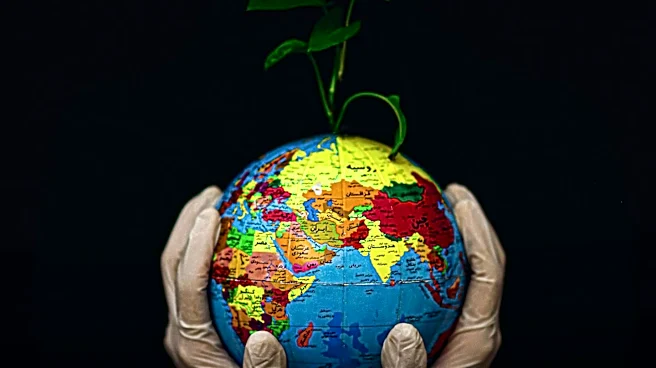
The Youth Declaration on Plastics and Health will be presented to the resumed negotiations on a global plastics treaty in March 2027 and the Eightieth World Health Assembly in May 2027. These bodies will consider the 11 calls to action outlined in the declaration, which include integrating health obligations into the treaty, ensuring ministerial representation from health sectors in national delegations, and implementing measures to prevent conflicts of interest. The delegates are urging negotiators to incorporate a dedicated article on health into the global plastics treaty. Additionally, young people and the public are invited to support the declaration through an interactive world map, where they can pledge personal commitments to reduce the health harms of plastics, building global momentum ahead of the critical 2027 meetings.
Beyond the Headlines
The Global Model WHO initiative, which simulates the World Health Assembly, provides a crucial platform for young leaders to engage with global health issues and influence policy. This declaration on plastics and health underscores a growing global awareness of the pervasive and often hidden health impacts of plastic pollution, moving beyond the more commonly recognized environmental concerns. The call for standardized methods to measure plastic chemicals and particles in the human body highlights a critical gap in current scientific understanding and public health monitoring. This initiative could foster a new generation of advocates and policymakers who prioritize health in environmental policy, potentially leading to long-term shifts in industrial practices and consumer responsibility. The emphasis on protecting vulnerable populations, such as infants and pregnant individuals, also raises ethical considerations about intergenerational equity and the legacy of environmental pollution.