




What's Happening?
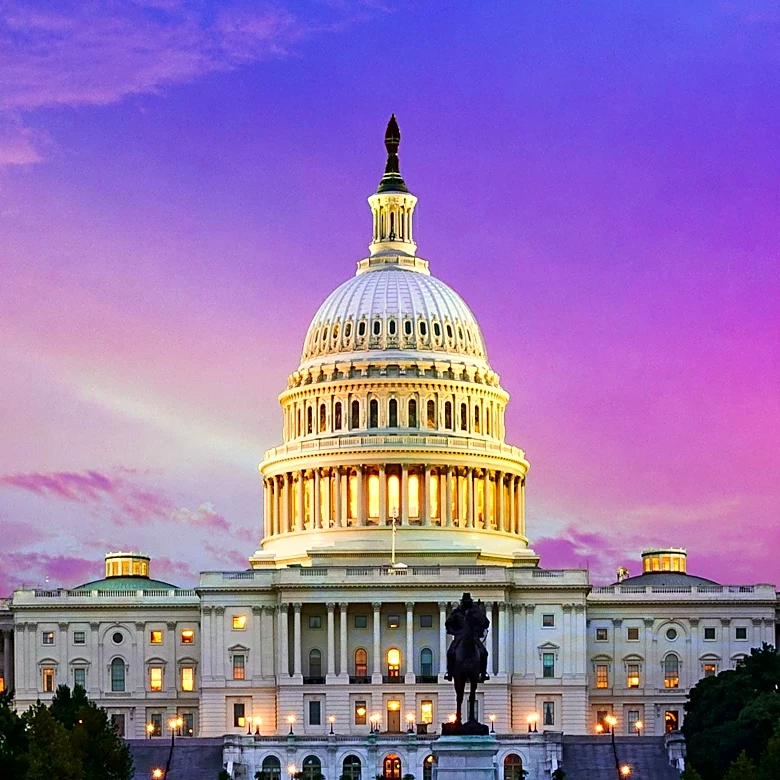
Congressman James Baird, representing Indiana's 4th congressional district, recently met with Purdue University undergraduates during their Spring Break trip to Washington D.C. The students were part of a Daniels School of Business class, ECON 333, focused
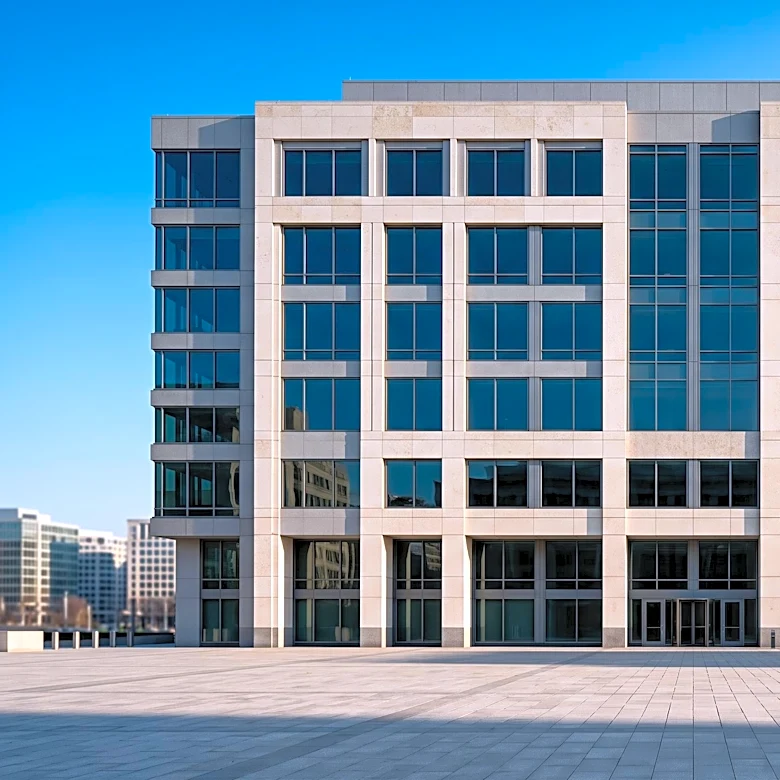
on Freedom, Capitalism, and Institutions. The visit included a 'working lunch' at the Congressional Budget Office (CBO) with Director Dr. Phillip Swagel, where students discussed economic analyses and the fiscal impact of legislation. Other activities for the students included seminars with Purdue economics professor Aaron Hedlund, who is also a member and acting vice chairman of the White House Council of Economic Advisers, and Holden Thorp from the American Academy for the Advancement of Sciences. The trip aimed to provide students with a firsthand look at the federal government and how economic policy is made.
Why It's Important?
This engagement is important as it provides future economists and business leaders with practical insights into the intersection of economic theory and real-world policy-making. Direct interaction with figures like Congressman Baird and CBO Director Swagel offers a unique educational experience that classroom learning alone cannot replicate. Understanding the legislative process and the considerations that go into economic decisions, such as the assumed growth rates for fiscal impact forecasting, is crucial for developing well-rounded professionals. This initiative also highlights the value of academic institutions collaborating with government bodies to foster a deeper understanding of national economic challenges and policy responses among the next generation. Such experiences can influence students' career paths and their approach to economic issues, potentially leading to more informed and effective policy contributions in the future.
What's Next?
While the immediate next steps for the Purdue undergraduates involve integrating their D.C. experiences into their ongoing coursework, the broader impact could manifest in several ways. These students, having gained direct exposure to the legislative and economic policy-making environment, are likely to approach their studies and future careers with a more nuanced understanding of economic institutions and their practical applications. This type of experiential learning often inspires students to pursue careers in public service, economic research, or policy advocacy. The ongoing collaboration between academic institutions like Purdue University and government entities such as the CBO and congressional offices is likely to continue, providing similar opportunities for future student cohorts. This continuous engagement helps bridge the gap between academic theory and practical governance, fostering a more informed citizenry and a more skilled workforce for the nation's economic future.
Beyond the Headlines
The interaction between Congressman Baird and the Purdue students underscores a deeper, less obvious implication: the cultivation of civic engagement and informed participation in a democratic society. By exposing students to the inner workings of government and economic policy, such programs aim to demystify complex processes and encourage critical thinking about the institutions that shape the nation. This direct exposure can foster a sense of responsibility and a desire to contribute to public discourse and policy development. Furthermore, it highlights the importance of bipartisan engagement, as students from diverse academic backgrounds interact with officials from different political perspectives. This can help in developing a generation of leaders who are not only economically literate but also capable of navigating the complexities of political decision-making, ultimately strengthening the democratic fabric and ensuring a more robust and responsive governance.