


What's Happening?
The U.S. Environmental Protection Agency (EPA) has issued a clarification regarding the Clean Air Act, stating that it does not prevent independent repairs on offroad diesel equipment, such as farm machinery. This announcement comes in response to a request
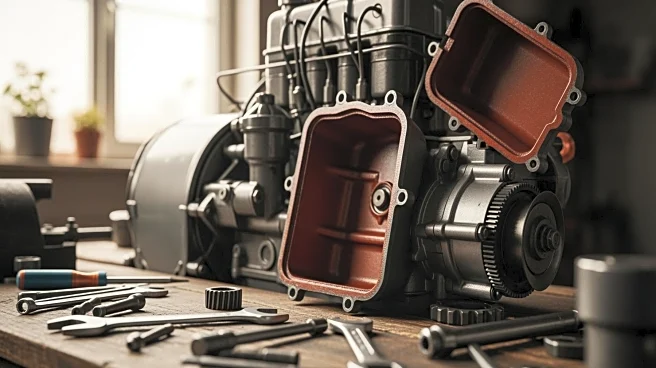
from John Deere, a major farm equipment manufacturer, seeking guidance on whether temporary emission control overrides are permissible under the law. The EPA's clarification aims to dismantle the monopoly that manufacturers have held over repair markets by misinterpreting the Clean Air Act to limit access to repair tools and software. This move is expected to empower farmers by allowing them to repair their equipment independently, potentially saving them significant costs. The EPA emphasized that this clarification does not alter the law or weaken emission standards but rather ensures that farmers are not forced to rely solely on authorized dealers for equipment repairs.
Why It's Important?
This clarification by the EPA is significant for the agricultural sector, as it addresses long-standing concerns about the right to repair farm equipment. Farmers have often been restricted by manufacturers' control over repair tools and software, leading to increased repair costs and reliance on older equipment. By affirming the right to repair, the EPA is supporting farmers' autonomy and potentially reducing their operational costs. This move could also stimulate competition in the repair market, benefiting consumers with more options and better prices. Additionally, it aligns with broader efforts to promote sustainability by extending the lifespan of equipment through easier repairs.
What's Next?
Following this clarification, it is anticipated that manufacturers will need to adjust their policies to comply with the EPA's guidance. This may involve making repair tools and software more accessible to farmers and independent repair shops. The agricultural community and equipment manufacturers will likely engage in discussions to ensure a smooth transition to this new framework. Additionally, there may be increased scrutiny on how manufacturers implement these changes, with potential legal and regulatory actions if compliance is not met. The EPA's decision could also influence similar right-to-repair debates in other industries, potentially leading to broader legislative or regulatory changes.