







What's Happening?
Conservation X Labs (CXL) is actively seeking a Transformative Technology Lead for its South America Fire Fund (SAFF). This role is critical for implementing the technology strategy across three significant South American ecoregions: the Amazon, the Pantanal,
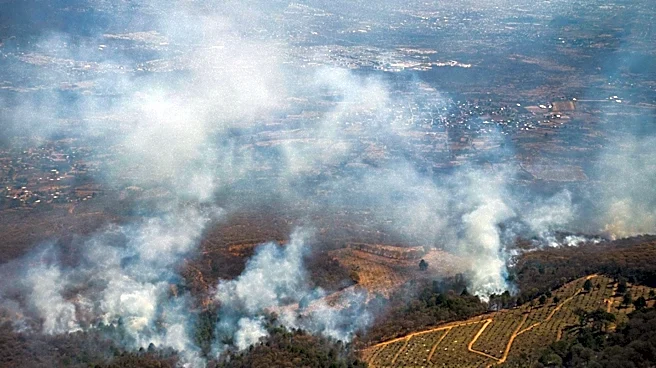
and the Chiquitania. The SAFF is a philanthropic initiative focused on tackling fire, a primary cause of tropical primary forest loss. The Transformative Technology Lead will manage grants, contracts, and program implementation, support field technology deployments, and organize open innovation programs aimed at advancing fire prevention and response. The position requires deep expertise in emerging technologies such as AI, sensor platforms, and big data, with a focus on identifying and deploying 'leapfrog' innovations. The role involves coordinating with diverse partners, including local communities, brigades, Indigenous-led organizations, and major technology providers, to build and test integrated fire prevention, detection, and response systems.
Why It's Important?
This initiative is important for U.S. interests as it addresses global environmental challenges that have far-reaching implications, including climate change and biodiversity loss. The Amazon, Pantanal, and Chiquitania ecoregions are vital for global ecological balance, and their degradation through fires contributes to climate instability, which can impact U.S. agriculture, weather patterns, and disaster relief efforts. By leveraging advanced technology and AI, CXL's efforts can set precedents for how technology is applied to environmental conservation globally. Furthermore, the collaboration with major technology partners and the focus on equitable technology deployment in the Global South align with U.S. foreign policy goals of promoting sustainable development and responsible technological advancement. The success of such programs can also inform U.S. domestic strategies for wildfire prevention and ecosystem management, particularly in regions prone to similar environmental threats.
What's Next?
The immediate next step is the recruitment and onboarding of the Transformative Technology Lead. Once in place, this individual will be responsible for the day-to-day execution of the SAFF's technology strategy, including managing existing grants and contracts, and initiating new open innovation programs. The role will involve close collaboration with the Regional Lead for Technology, Data, and Innovation, as well as other technical teams within the Fund, such as Financial Innovation and Behavior Change. The focus will be on deploying mature, deployable technologies through targeted RFPs and open innovation challenges, and establishing robust data systems for fire prevention and response. The program will also involve training local brigades and communities in key technologies like drones for fire mapping, and continuously evaluating the impact of these interventions to inform future strategies and secure additional funding opportunities.
Beyond the Headlines
The initiative highlights the growing recognition of AI's potential in addressing complex environmental crises, moving beyond theoretical discussions to practical, field-level applications. It also underscores the ethical considerations involved in deploying advanced technologies in vulnerable ecosystems and communities, emphasizing the need for equitable access and mitigation of inadvertent negative impacts. The focus on 'leapfrog' innovations suggests a shift from incremental improvements to transformative solutions, which could redefine conservation strategies globally. Moreover, the cross-cultural and multi-stakeholder coordination required for this project reflects the increasing complexity of global environmental governance, where technological solutions must be integrated with local knowledge and community engagement. This approach could serve as a model for future international collaborations addressing climate change and biodiversity loss, emphasizing the interconnectedness of technological advancement, social equity, and ecological sustainability.