






What's Happening?
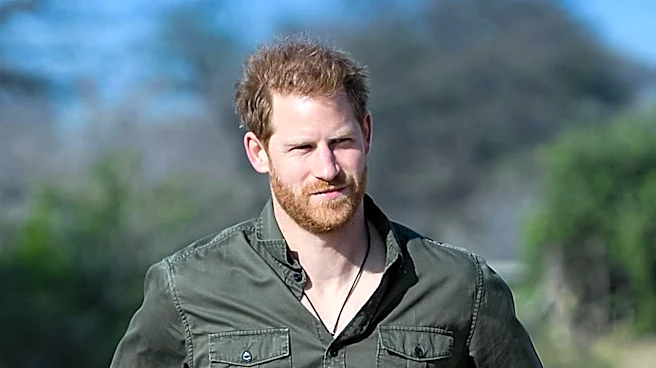
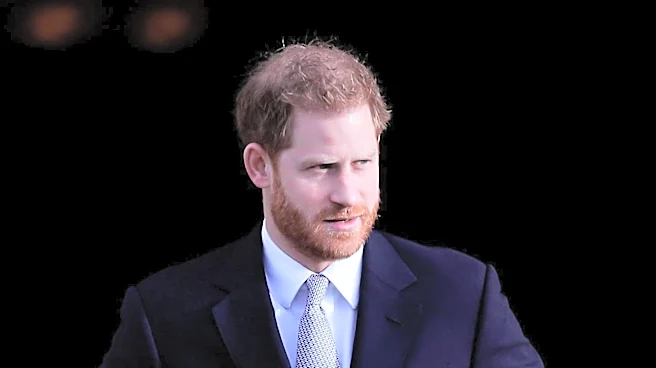
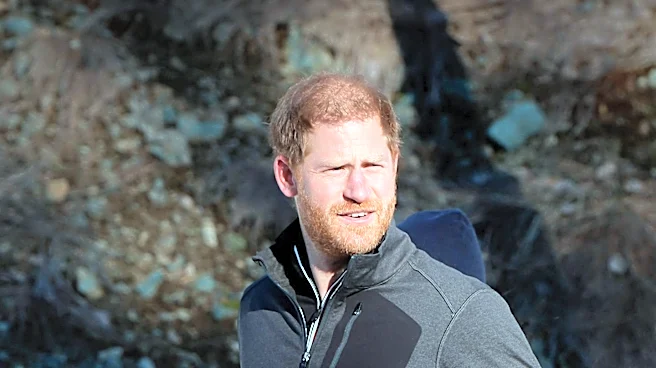
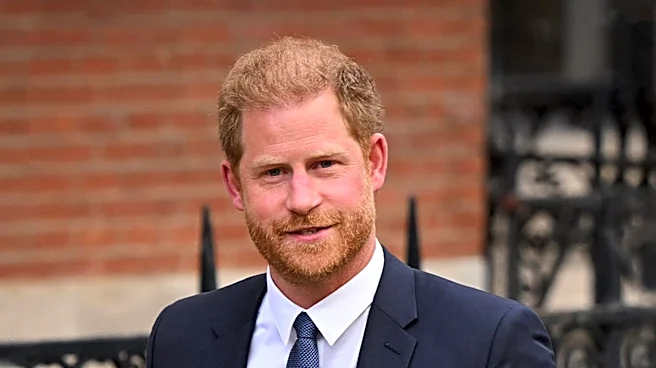
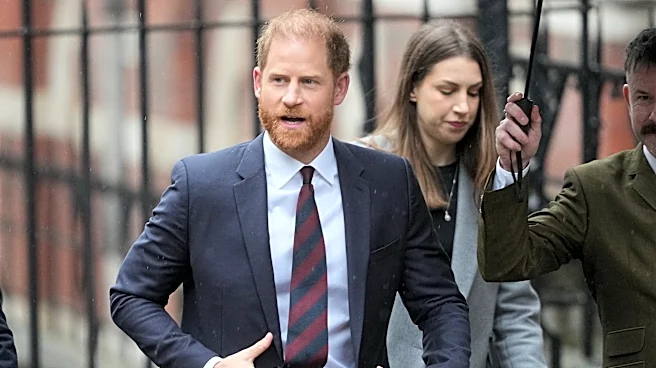
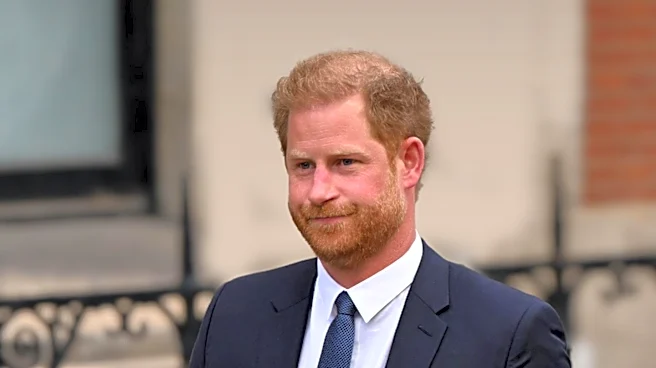
Prince Harry's lawsuit against Associated Newspapers Limited (ANL), the publisher of the Daily Mail, has ended in defeat. The lawsuit, filed in 2022, accused ANL of using unlawful methods to gather private information, including intercepting voicemail
messages and obtaining confidential flight records. The High Court in the UK rejected these allegations, siding with ANL's defense that their journalists had lawful explanations for sourcing the disputed articles. This case was the last in a series of legal actions initiated by Prince Harry and Meghan Markle against media organizations, aimed at challenging press coverage and media practices. The judgment marks a significant setback in Prince Harry's campaign to reform the media landscape, which he has described as his 'life's work.'
Why It's Important?
The outcome of this lawsuit is significant as it potentially concludes Prince Harry and Meghan Markle's legal campaign against media organizations, which began in 2019. The couple has been vocal about their desire to reform media practices, particularly concerning privacy violations. This defeat could impact their ability to influence media reform and may discourage other public figures from pursuing similar legal actions. The case also highlights the challenges individuals face when contesting media practices, especially when the burden of proof lies heavily on the claimants. The decision may embolden media organizations, reinforcing their defense strategies in future legal battles.
What's Next?
Following the judgment, there is a scheduled hearing to determine the allocation of legal costs, which are reported to be around $67 million. Prince Harry and the other claimants may face significant financial implications if they are required to cover these costs. The outcome of this case may also influence Prince Harry's future engagements and public appearances, as he continues to advocate for media reform. Additionally, the ruling could shape media coverage of Prince Harry's activities, potentially affecting his public image and the narrative surrounding his efforts to challenge media practices.