



What's Happening?
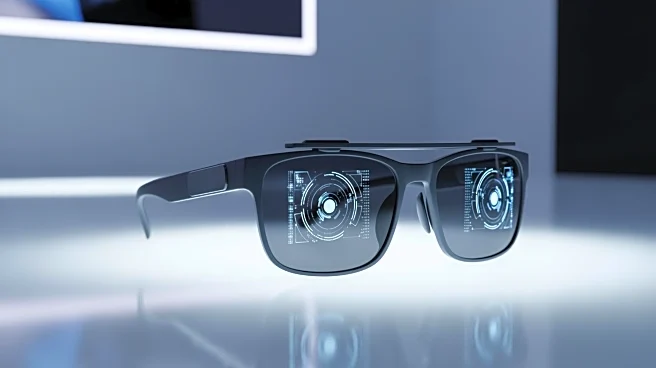
Alibaba has launched its Qwen smart glasses at the Mobile World Congress in Barcelona, showcasing two models built on its Qwen AI platform. The Qwen S1 features a heads-up waveguide display and bone conduction audio, offering functionalities like photo
capture and navigation. The glasses are designed to integrate with the Qwen App, allowing users to perform tasks hands-free. The G1 model lacks the display but retains other features. Priced competitively, the glasses are set to roll out internationally later in 2026, challenging existing products like Meta's Ray-Ban Display.
Why It's Important?
Alibaba's entry into the smart glasses market signifies the growing competition in wearable technology, particularly in the AR space. The Qwen glasses' integration with AI and their hands-free capabilities highlight the potential for smart glasses to become a mainstream consumer product. As more companies enter the market, consumers can expect increased innovation and potentially lower prices. Alibaba's focus on international expansion suggests a strategic move to capture a share of the global market, which could influence the development and adoption of smart glasses worldwide.
What's Next?
With the international rollout of Alibaba's Qwen glasses scheduled for later in 2026, the company is likely to focus on expanding its ecosystem and integrating with popular global services. The competitive landscape in the smart glasses market will continue to evolve, with major players like Meta and Apple also vying for consumer attention. As the technology matures, issues such as privacy, user experience, and regulatory compliance will become increasingly important. The success of smart glasses will depend on their ability to offer practical and seamless integration into daily life.