







What's Happening?
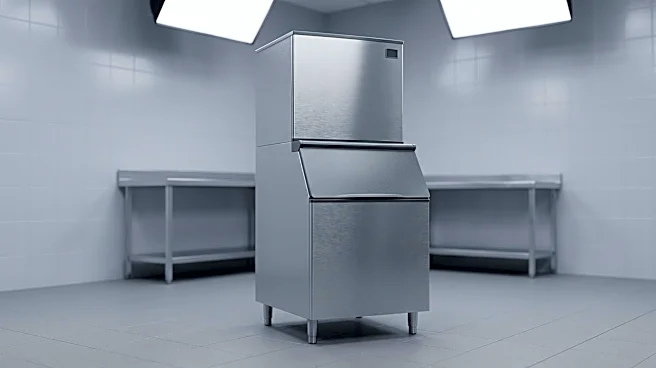
An American Deli located on Pleasant Hill Road in Duluth, Gwinnett County, received an unsatisfactory health inspection score of 55 on August 17. A Gwinnett County health inspector documented several critical violations, including the presence of a pink
mold-like substance in the ice machine, numerous dead insects found inside a salt container, and live insects within the rice cooker. An employee present at the store counter stated she was in charge for the day but was unaware of the violations and noted that no manager was on site. Atlanta News First observed an outdated health score of 92 displayed on the wall, rather than the current failing score. The manager, contacted the following day, claimed all violations had been corrected. In contrast, Marlow’s Tavern on Satellite Boulevard in Duluth achieved a perfect score of 100 on its latest health inspection, earning the Golden Spatula award, and Biba’s on Sugarloaf Parkway in Lawrenceville improved its score to 97 points on a reinspection.
Why It's Important?
This incident highlights significant public health concerns within the food service industry, particularly regarding sanitation and food safety standards. A failing health inspection score, coupled with critical violations like mold in ice machines and insects in food preparation areas, poses a direct risk to consumer health, potentially leading to foodborne illnesses. The display of an outdated, higher health score also raises questions about transparency and compliance with public health regulations, which typically require current inspection results to be prominently displayed. For businesses, such violations can severely damage reputation, lead to fines, and potentially result in temporary or permanent closure if not addressed promptly and effectively. Conversely, establishments like Marlow’s Tavern, which consistently maintain high health standards, build consumer trust and demonstrate best practices in food safety management, setting a benchmark for others in the industry.
What's Next?
Following the failed inspection, the American Deli manager has stated that all violations have been corrected. Typically, a re-inspection would be scheduled to verify that all identified issues have been resolved to meet health code standards. If the violations are not adequately addressed, the establishment could face further penalties, including additional fines or a temporary closure until compliance is achieved. Consumers in the area may become more vigilant about checking health inspection scores before dining out, potentially impacting the business of establishments with poor ratings. Health authorities will likely continue to monitor the deli to ensure sustained adherence to food safety regulations. The incident also serves as a reminder for other food service businesses to regularly review and update their sanitation practices to avoid similar issues.
Beyond the Headlines
Beyond the immediate health risks, this event underscores broader issues within the restaurant industry concerning management oversight and employee training. The employee's unawareness of the violations and the absence of a manager on-site suggest potential systemic problems in operational control and accountability. This lack of oversight can lead to a decline in hygiene standards, impacting not only customer safety but also employee morale and operational efficiency. The practice of displaying an outdated, higher health score also points to a potential attempt to mislead the public, which can erode trust in local businesses and the regulatory bodies responsible for enforcing health standards. This situation highlights the critical need for robust internal controls, continuous staff training on health protocols, and transparent communication of health inspection results to the public to maintain both safety and consumer confidence.