



What's Happening?
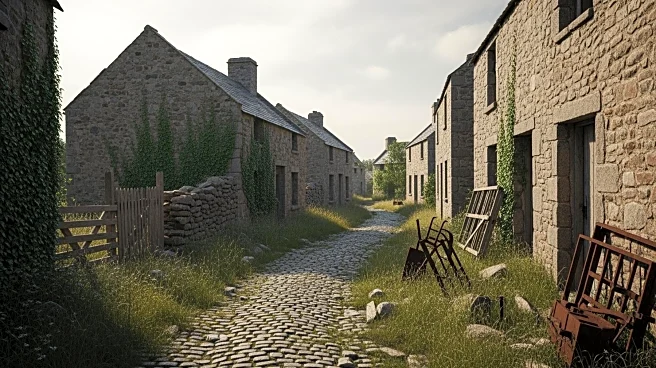
The village of Imber in Wiltshire, which was evacuated during World War II, has been opened to the public for a limited period. In 1943, approximately 150 residents were given 47 days' notice to leave their homes as the area was repurposed for military
training in preparation for the D-Day landings. Although residents were promised a return post-war, the village remains under the control of the Ministry of Defence. Public access is granted for 12 days each year, with the current opening from December 29 to January 2. Visitors can explore the derelict ruins, including the Grade I-listed St Giles Church, which is open daily during this period. The church and a few other structures are among the few original buildings left, as many were damaged or demolished during military exercises. The event is free, with donations supporting the Churches Conservation Trust.
Why It's Important?
The opening of Imber village offers a rare glimpse into a historical site that has remained largely untouched since World War II. This event not only serves as a reminder of the sacrifices made during the war but also highlights the ongoing relationship between military needs and civilian life. The preservation efforts by the Churches Conservation Trust and volunteers like Neil Skelton underscore the importance of maintaining historical sites for educational and cultural purposes. The limited access ensures that the site remains preserved while allowing the public to connect with a significant part of history. This balance between preservation and public engagement is crucial for maintaining historical awareness and appreciation.
What's Next?
The village of Imber will continue to open for public visits during specific periods, including Easter weekend and a day in summer. These openings provide opportunities for further public engagement and education about the village's history and its role during World War II. The ongoing preservation efforts by the Churches Conservation Trust will likely continue, supported by public donations and volunteer work. The Ministry of Defence's control over the area suggests that the village will remain a site for military training, balancing its historical significance with contemporary military needs.
Beyond the Headlines
The story of Imber village raises broader questions about the impact of military requisition on civilian communities and the long-term effects of such actions. The village's preservation offers insights into rural life during the early 20th century, providing a unique educational resource. Additionally, the site's limited farming and development over the past 80 years have created a unique ecological environment, offering a glimpse into England's natural landscape before modern agricultural practices. This aspect adds an environmental dimension to the site's significance, highlighting the interplay between history, culture, and nature.