
What's Happening?
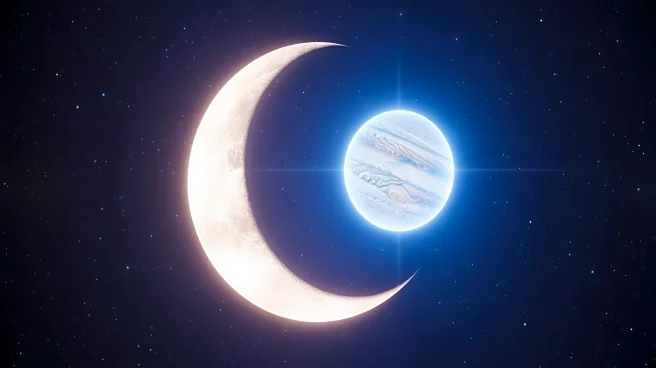
On March 26, skywatchers will have the opportunity to witness a celestial event as Jupiter and the moon appear close together in the evening sky. The waxing gibbous moon will make its closest approach to Jupiter at 9:19 EDT, although Jupiter will be obscured
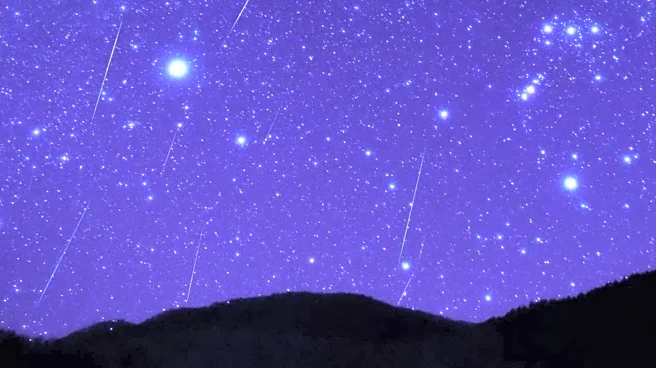
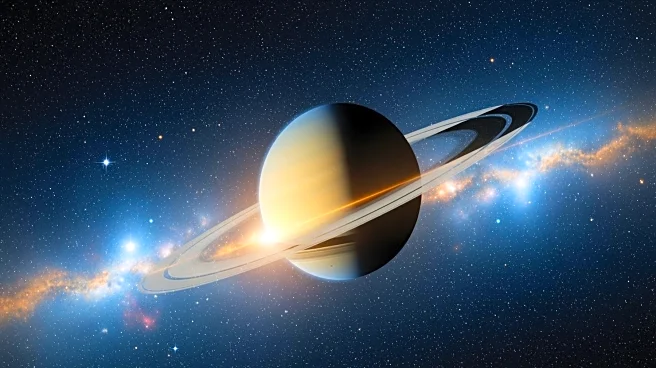
by daylight at that time. The best viewing opportunity will be at sunset, when the moon will be high above the southern horizon. Jupiter will appear as a bright, star-like object to the lower right of the moon, with the stars Castor and Pollux of the Gemini constellation nearby. This event will be visible through a 6-inch telescope, which will reveal details of the lunar surface and Jupiter's cloud bands and moons. The conjunction will be visible until the moon sets below the northwestern horizon around 3 a.m. EDT.
Why It's Important?
This celestial event provides an excellent opportunity for both amateur and professional astronomers to observe and photograph the night sky. Such events can spark interest in astronomy and science, encouraging educational activities and public engagement with space exploration. The visibility of Jupiter, one of the brightest objects in the night sky, alongside the moon, offers a chance to appreciate the dynamics of our solar system. Additionally, these events can inspire curiosity about the universe and our place within it, potentially influencing future generations of scientists and astronomers.
What's Next?
Jupiter will remain a prominent feature in the night sky until mid-July, when it will be obscured by the sun's glare during its solar conjunction. This period offers continued opportunities for observation and study. As the moon continues its orbit, other celestial events will follow, providing ongoing opportunities for skywatching and public engagement with astronomy. Enthusiasts are encouraged to use telescopes and binoculars to enhance their viewing experience and to stay informed about upcoming astronomical events.