





What's Happening?
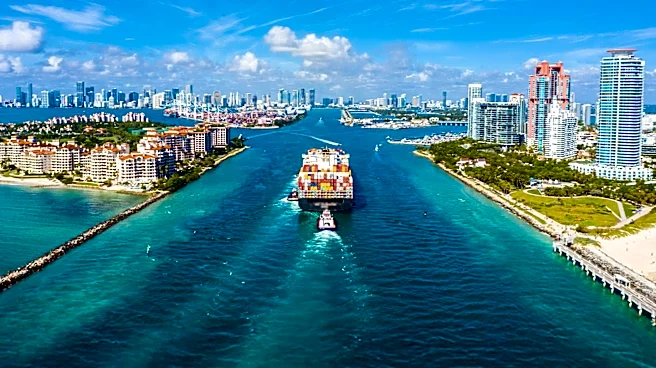
The Trump administration has extended the Jones Act waiver for an additional 90 days, allowing foreign-flagged vessels to transport oil and other commodities between U.S. ports. This decision has sparked a divide among U.S. maritime and shipbuilding groups.
The waiver, initially set to expire on August 16, is now the longest suspension in the Jones Act's history. The American Petroleum Institute supports the extension, citing the need for flexibility amid global market volatility. However, U.S. shipbuilders and maritime groups express concerns that broad waivers could undermine domestic shipbuilding efforts and discourage investment.
Why It's Important?
The extension of the Jones Act waiver highlights ongoing tensions between the need for domestic maritime industry protection and the flexibility required to address global energy market challenges. The waiver provides temporary relief for energy transportation but raises questions about the long-term viability of the U.S. maritime industry. Critics argue that the waiver exposes gaps in the Jones Act-qualified fleet and could lead to increased reliance on foreign vessels, potentially impacting national security. The debate underscores the need for a balanced approach to maritime policy that supports domestic industry while addressing market demands.
What's Next?
As the waiver continues, stakeholders will likely push for a more permanent resolution to the issues highlighted by the exemption. The administration may face pressure to justify future waivers on national security grounds and ensure compliance with U.S. laws by foreign vessels. The debate may prompt legislative efforts to reform the Jones Act, balancing protectionist measures with market flexibility. The outcome could significantly impact the U.S. maritime industry, influencing investment decisions and the future of domestic shipbuilding. Close monitoring of waiver applications and their impact on the industry will be crucial in shaping future policy.