
What's Happening?
A retired French general, Michel Yakovleff, has publicly criticized President Trump's request for military support from European allies in a potential conflict with Iran. Yakovleff, a former commander of the French Foreign Legion, compared joining Trump's military efforts
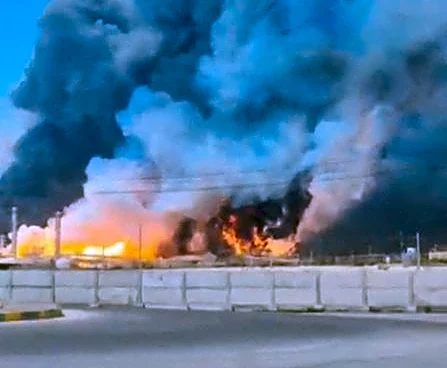
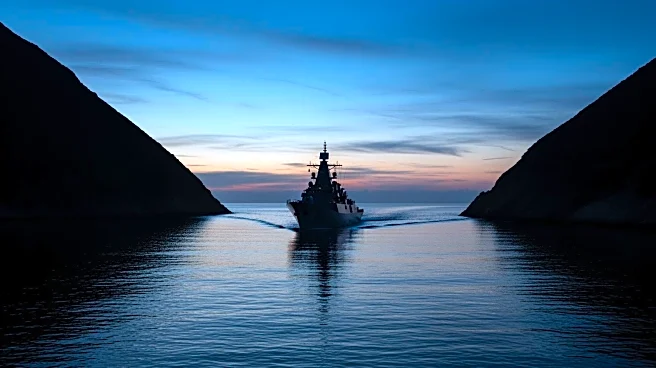
to buying a ticket for the Titanic after it had already hit the iceberg. His comments come as several key U.S. allies, including the U.K., France, Japan, Germany, South Korea, and China, have rejected the idea of offering military support. The general emphasized the need for a unified operation under a NATO flag, rather than disparate efforts by the U.S. and European forces. The situation has been exacerbated by Iran's closure of the Strait of Hormuz, a critical passage for global oil supply, following U.S. military actions. This has led to increased tensions and a rise in global gas prices.
Why It's Important?
The rejection of President Trump's military support requests by key allies highlights significant diplomatic and strategic challenges for the U.S. in managing its foreign policy and military engagements. The closure of the Strait of Hormuz by Iran poses a substantial threat to global oil supply, affecting international markets and potentially leading to economic instability. The situation underscores the complexities of international military cooperation and the potential risks of unilateral actions. The reluctance of European nations to engage militarily with the U.S. in this context may reflect broader concerns about the political and military strategies employed by the Trump administration, as well as the potential consequences of escalating conflicts in the Middle East.
What's Next?
The ongoing tensions in the Strait of Hormuz and the broader geopolitical implications of the U.S.-Iran conflict are likely to continue influencing international relations and economic conditions. European nations may seek diplomatic solutions or alternative strategies to ensure the safety of maritime routes and stabilize oil markets. The U.S. may need to reassess its approach to international military cooperation and consider the diplomatic ramifications of its actions. The situation could lead to further discussions within NATO and other international bodies regarding collective security and strategic priorities.