





What's Happening?
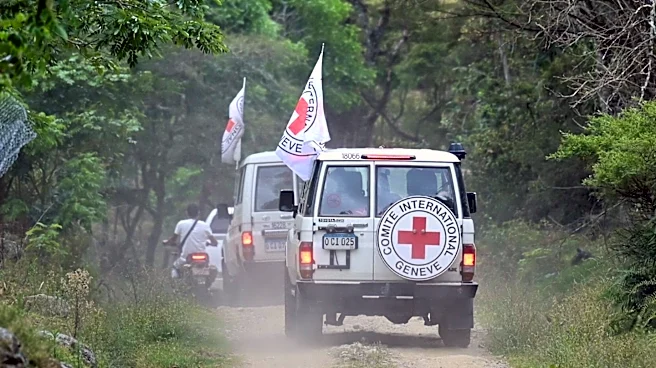
The International Committee of the Red Cross (ICRC) is calling on the international community not to abandon Afghan communities, highlighting the 'extreme needs' of the population despite Afghanistan slipping from global attention. Yasmine Praz Dessimoz,
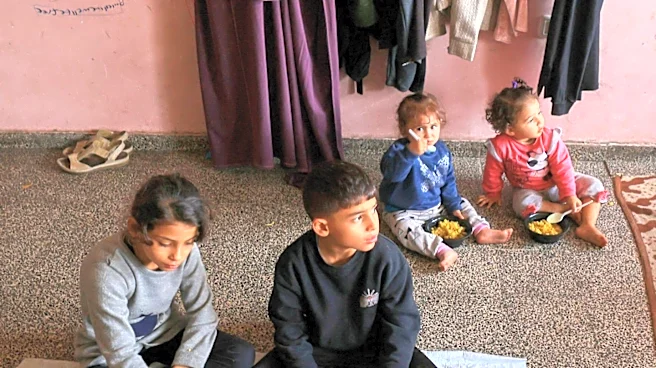
ICRC director of operations, stated in an interview in Kabul that Afghans are 'struggling to survive with significant humanitarian needs' and a collapsing health system. The United Nations children's agency UNICEF reported last week that one million Afghan children face life-threatening malnutrition, with 3.7 million suffering from acute malnutrition. Due to decreased international aid, 100 clinics that treated child malnutrition have closed across the country. Afghanistan remains among the top five ICRC operations worldwide, but funding cuts have forced difficult choices to maintain support for the Afghan population. The ICRC currently supports 46 clinics and seven rehabilitation centers in Afghanistan, providing services for those wounded in conflict or by unexploded ordnance. Praz Dessimoz also expressed concern over restrictions imposed on women by Taliban authorities, including bans on education beyond primary school and certain professions, emphasizing the importance of female health workers for delivering care.
Why It's Important?
The ICRC's plea underscores a critical humanitarian crisis in Afghanistan that risks being overlooked by the international community. The withdrawal of attention and funding has direct and severe consequences for millions of Afghans, particularly children facing malnutrition and a population grappling with a failing healthcare system. The closure of numerous clinics due to funding cuts exacerbates an already dire situation, potentially leading to increased mortality and long-term health issues. The restrictions on women's education and professional roles, as highlighted by the ICRC, have profound societal implications, threatening the future generation of skilled workers, especially in critical sectors like healthcare. This situation not only impacts the immediate well-being of Afghans but also poses a significant challenge to the country's long-term stability and development. The continued engagement and support from international organizations like the ICRC are vital to mitigate the escalating humanitarian catastrophe and ensure basic services for vulnerable populations.
What's Next?
The ICRC will continue its efforts to provide humanitarian assistance in Afghanistan, supporting 46 clinics and seven rehabilitation centers, despite funding challenges. Director of Operations Yasmine Praz Dessimoz met with Deputy Prime Minister Abdul Salam Hanafi and Foreign Minister Amir Khan Muttaqi during her week-long visit to engage in dialogue with the Taliban government. The organization aims to advocate for continued national and international support for the Afghan people. The ICRC will also likely continue to highlight the impact of restrictions on women's education and employment, particularly in the health sector, and work to ensure that female staff can continue their vital roles. The ongoing diplomatic engagement seeks to maintain humanitarian access and address the 'extreme needs' of the population, while the ICRC navigates the complex political landscape and funding constraints to sustain its operations.
Beyond the Headlines
The situation in Afghanistan, as described by the ICRC, reveals a deeper ethical challenge for the international community: balancing geopolitical considerations with humanitarian imperatives. The 'abandonment' of Afghan communities, despite their extreme needs, raises questions about the long-term commitment of global powers to populations affected by conflict once immediate strategic interests wane. The restrictions on women's rights, particularly in education and healthcare, represent a profound cultural and human rights crisis that could lead to a lost generation of female professionals, further entrenching poverty and health disparities. This scenario highlights the complex interplay between international humanitarian law, human rights, and the practicalities of aid delivery in politically sensitive environments. The ICRC's continued presence and advocacy serve as a crucial reminder that humanitarian principles must transcend political recognition and funding cycles to prevent further suffering and ensure the dignity of all individuals.