



What's Happening?
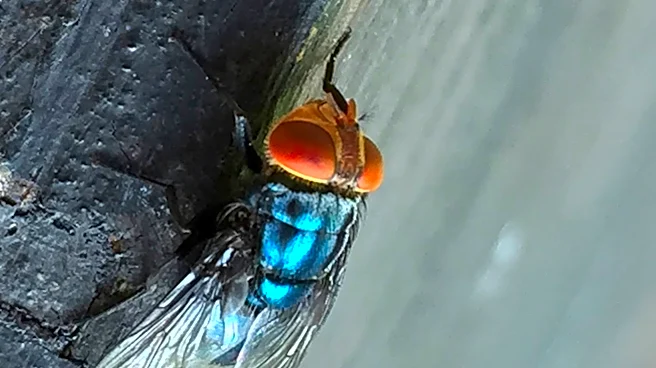
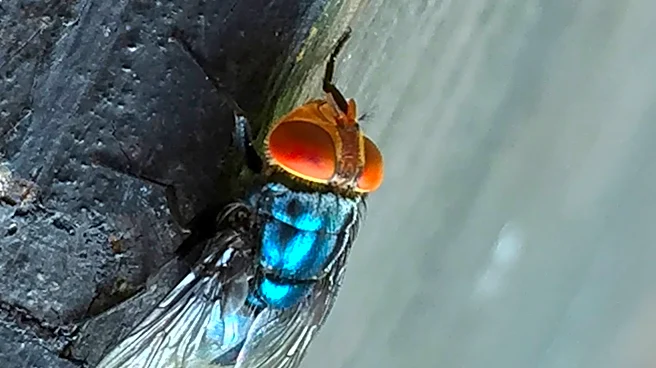
The U.S. Department of Agriculture has confirmed three new cases of the New World screwworm, a flesh-eating parasite, in Texas and New Mexico. This brings the total number of cases to five, including three calves and a goat in Texas, and a dog in New Mexico. The screwworm, a fly
larva that consumes living flesh, poses a significant threat to the cattle industry. The USDA has implemented a quarantine zone around affected areas to prevent further spread. The parasite was previously contained at the southern end of Panama through a program that released sterile male flies to control the population. The recent cases have prompted increased vigilance and inspections in the affected regions.
Why It's Important?
The resurgence of the New World screwworm could have devastating effects on the U.S. cattle industry, which is already facing high beef prices due to a reduced number of cows. The parasite's ability to infest not only livestock but also wildlife and pets raises concerns about widespread economic and ecological impacts. The USDA's efforts to control the outbreak include increasing the production of sterile flies and establishing a new fly factory in Texas. The situation has also led to Canada temporarily halting livestock imports from Texas, highlighting the potential for international trade disruptions.
What's Next?
The USDA plans to continue its sterile fly release program to curb the screwworm population. Texas officials are urging ranchers to monitor their herds closely and report any signs of infestation. The agency is also exploring new methods to sterilize male flies more effectively. Meanwhile, Texas Agriculture Commissioner Sid Miller has suggested using poison bait to eliminate the screwworms, though this method is controversial due to potential risks to other species. The USDA aims to prevent a resurgence of the parasite in 2027 by maintaining control measures through the winter.