



What's Happening?
The Cuban government, under the direction of Miguel Díaz-Canel, has initiated the mobilization of generators to support 29 critical water supply sources and boosters in Havana. This measure aims to prevent prolonged blackouts from disrupting water services
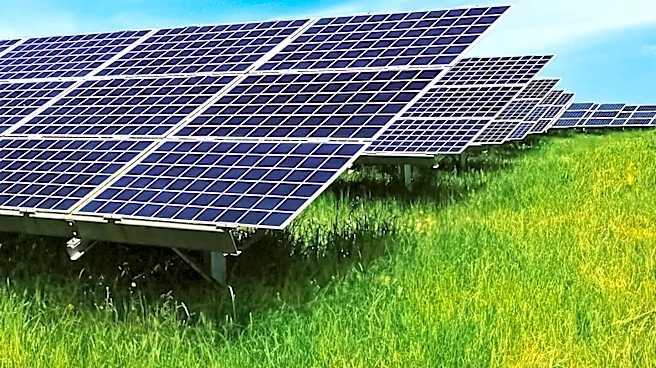
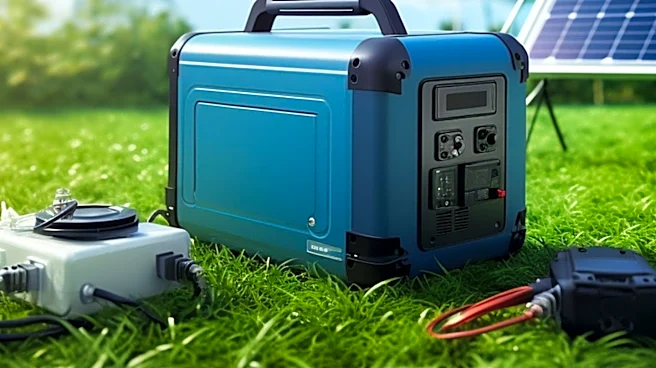
for hundreds of thousands of residents in the capital. The decision was made during a meeting involving executives and specialists from the hydraulic and electrical sectors, where water pumping was deemed an "unpostponable task." Inspections have been conducted at nearly 70 sites to assess how water pumping can be maintained despite electricity shortages. Authorities anticipate that these measures will lead to a "moment of change" in the critical situation over the coming months, though a specific date for service normalization has not been provided. The government also plans to pursue greater energy independence for hydraulic systems through photovoltaic solar parks, solar complexes, and energy storage solutions. Vice Prime Minister Inés María Chapman emphasized addressing other issues beyond electricity, such as valve operations, leak elimination, equipment protection, and worker training. Díaz-Canel has committed to frequent checks on the issue. This initiative follows a significant rupture in a 78-inch main in the Southern Basin on August 21, which severely impacted water supply in several Havana districts.
Why It's Important?
This government action is crucial for the well-being and stability of Havana's population, as the city faces a severe and interconnected crisis of electricity and water supply. The reliance of approximately 87% of Havana's pumping system on electricity means that power outages directly translate into water shortages, exacerbating living conditions for residents. The mobilization of generators and the long-term plan for renewable energy integration highlight the government's recognition of the systemic issues and the urgent need for sustainable solutions. Failure to address these basic services could lead to increased public discontent and potential social unrest, as evidenced by previous citizen complaints regarding prolonged periods without water and electricity. The investment in generators and future solar energy solutions indicates a strategic shift towards bolstering critical infrastructure against external shocks and internal inefficiencies, aiming to improve the quality of life for citizens and maintain public order. The crisis underscores the vulnerabilities of Cuba's infrastructure and the significant challenges the government faces in providing essential services.
What's Next?
The Cuban government will continue to implement and monitor the deployment of generators to the identified water sources, with Díaz-Canel assuring frequent checks on the progress. Authorities expect to see improvements in the coming months, though a definitive timeline for normalizing services remains unannounced. Concurrently, efforts will focus on addressing other operational issues within the hydraulic system, such as valve maintenance, leak repairs, equipment protection, and staff training. The long-term strategy involves exploring and integrating renewable energy solutions, including photovoltaic solar parks and energy storage systems, to enhance the energy independence of hydraulic facilities. This suggests a gradual transition towards more resilient and sustainable infrastructure. The government's response to this crisis will likely be closely watched by the public and international observers, as it directly impacts the daily lives of Havana's residents and could influence broader perceptions of the government's effectiveness in managing essential services.
Beyond the Headlines
The ongoing water and electricity crisis in Havana, and the government's response, reveal deeper systemic challenges within Cuba's infrastructure and resource management. The heavy reliance on electricity for water pumping highlights a critical vulnerability that has been exposed by frequent blackouts. The move towards renewable energy sources, while a positive step, also underscores the existing energy deficit and the need for significant investment and technological upgrades. This situation could have broader implications for public health, as inconsistent water supply can lead to sanitation issues and the spread of waterborne diseases. Furthermore, the crisis may fuel public frustration and potentially impact social cohesion, as citizens grapple with the daily hardships of limited access to essential services. The government's ability to effectively resolve these intertwined crises will be a crucial test of its governance and its capacity to adapt to environmental and economic pressures, potentially influencing future policy decisions regarding infrastructure development and resource allocation across the island.