



What's Happening?
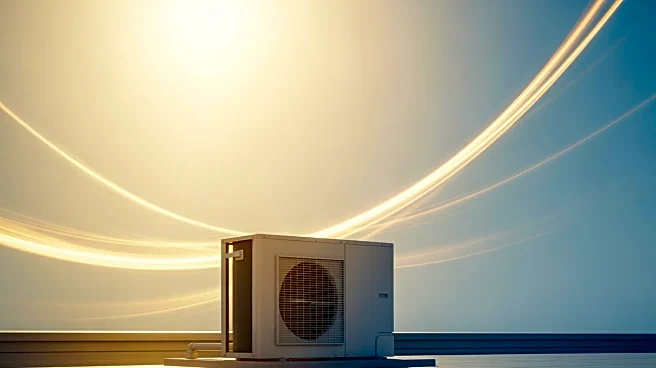
California is pushing for the installation of six million heat pumps by 2030 as part of its climate strategy to reduce greenhouse gas emissions. Heat pumps, which serve as both heaters and air conditioners, are seen as a climate-friendly alternative to gas-burning
furnaces. However, the state's high residential electricity rates, nearly double the national average, pose a significant challenge to this initiative. The high costs of electricity could deter households from switching to electric appliances, potentially undermining California's climate goals. Despite federal and state incentives to reduce upfront costs, the ongoing high electricity rates remain a barrier to widespread adoption.
Why It's Important?
The success of California's heat pump initiative is crucial for the state's broader climate strategy. High electricity costs could discourage the adoption of electric appliances, hindering efforts to reduce reliance on fossil fuels. This situation highlights the tension between environmental goals and economic realities, as consumers weigh the benefits of climate-friendly technologies against their financial implications. The outcome of this initiative could influence similar efforts in other states and impact national climate policies. Additionally, the initiative's success or failure could affect the market for heat pumps and related technologies, influencing manufacturers and utility companies.
What's Next?
California lawmakers are considering bills to streamline the permitting process for heat pumps and require gas utilities to offer incentives for electrification. These legislative efforts aim to accelerate the adoption of heat pumps despite high electricity costs. The state's Public Utilities Commission and Energy Commission are also involved in setting rate rules and building codes to support this transition. The outcome of these legislative and regulatory efforts will be critical in determining whether California can meet its ambitious climate goals. Stakeholders, including policymakers, utility companies, and consumers, will need to navigate these challenges to achieve a successful transition.