






What's Happening?
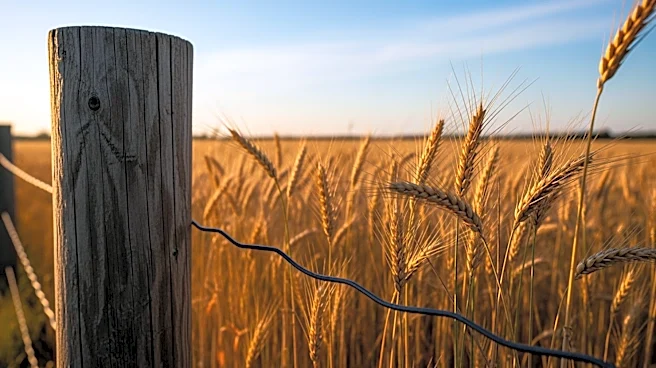
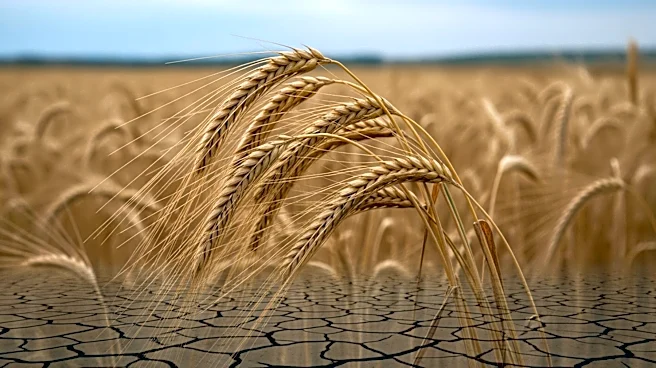
The Food and Agriculture Organization (FAO) of the United Nations has forecasted a 2% decline in global cereal production for the 2026/27 season, primarily due to expected lower wheat harvests in major producing countries. This follows a record-breaking
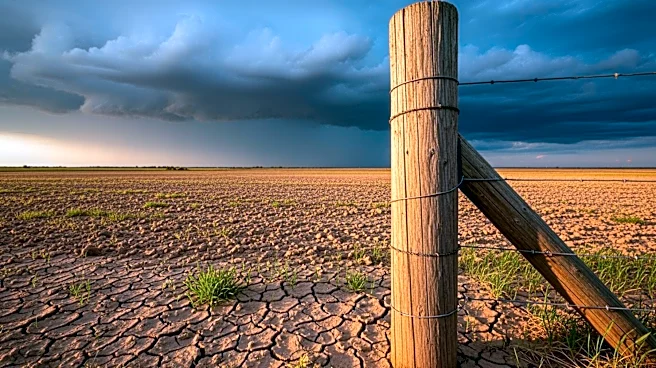
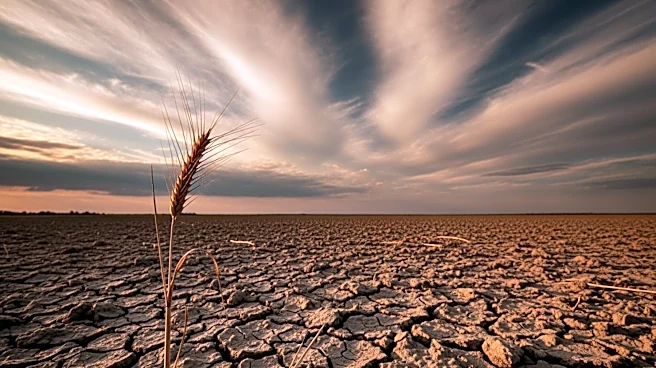
2025/26 season. The decline is attributed to adverse weather conditions affecting crop prospects, particularly in the United States, where winter wheat crop conditions are among the least favorable in decades. Rising fuel and fertilizer costs are also adding pressure on cereal markets. Despite the production decline, global cereal utilization is expected to increase by 0.6%, with world cereal stocks contracting slightly by 0.3%.
Why It's Important?
The projected decline in cereal production, especially wheat, is significant for the U.S. as it could lead to tighter supply and increased prices domestically. This situation may affect food prices and availability, impacting consumers and industries reliant on wheat and other cereals. The rising costs of fuel and fertilizers further exacerbate the situation, potentially leading to higher production costs for farmers. The U.S. agricultural sector may face challenges in maintaining profitability and meeting domestic and international demand.
What's Next?
The FAO expects global cereal trade to weaken, with a projected decline of 0.3% in international cereal trade for 2026/27. This could lead to reduced wheat and barley shipments, affecting U.S. export markets. Stakeholders in the agricultural sector may need to explore strategies to mitigate the impact of adverse weather and rising input costs. Policymakers might consider interventions to support farmers and stabilize the market.