



What's Happening?
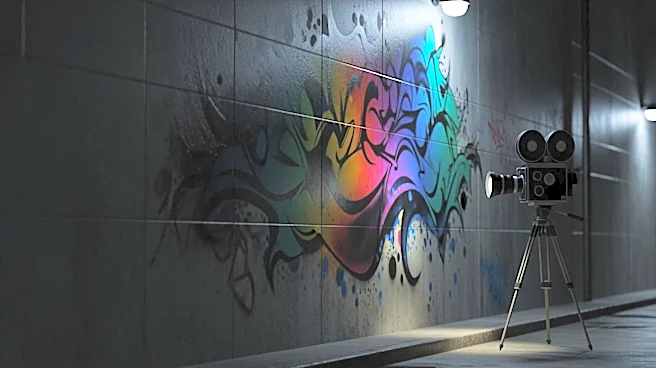
A former BBC reporter, Nick Bryant, has claimed that the BBC suppressed footage he captured of the elusive street artist Banksy at a mural site in New York City. Bryant, who was the BBC's New York correspondent, recounted his experience in a Substack
post, detailing how he was informed by Banksy's PR team about a new artwork unveiling in March 2018. The mural, located at The Houston Bowery Wall in Lower Manhattan, depicted Kurdish artist Zehra Dogan, who was imprisoned by Turkish authorities. Bryant and his cameraman managed to film a man believed to be Banksy, but the footage was never aired. The decision to withhold the footage was influenced by internal discussions at the BBC, where it was decided that revealing Banksy's identity would compromise his work and diminish his political impact. The BBC has not commented on these claims.
Why It's Important?
The decision by the BBC to suppress the footage of Banksy raises significant questions about journalistic ethics and the balance between public interest and artistic anonymity. Banksy, known for his politically charged and anonymous street art, has maintained a significant cultural impact precisely because of his anonymity. Revealing his identity could potentially alter the public's perception of his work and diminish its impact. This incident highlights the ethical dilemmas faced by media organizations when handling sensitive information that could affect an individual's privacy and the public's perception of their work. The BBC's choice to prioritize Banksy's anonymity over a potential scoop reflects a broader debate within journalism about the responsibilities of media outlets in protecting the subjects of their stories.
What's Next?
The claims made by Nick Bryant could prompt further scrutiny of the BBC's editorial decisions and its approach to handling sensitive information. Media organizations may need to reassess their policies regarding the disclosure of identities, especially in cases involving public figures who have chosen to remain anonymous. Additionally, this incident may reignite discussions about the role of anonymity in art and its impact on the artist's message and public reception. As the story gains attention, there may be calls for the BBC to provide a more detailed explanation of its decision-making process in this case.
Beyond the Headlines
The suppression of the Banksy footage by the BBC touches on broader cultural and ethical issues surrounding anonymity in art. Banksy's work often critiques political and social issues, and his anonymity allows him to operate outside traditional art world constraints, giving his work a unique edge. The decision to keep his identity hidden underscores the value placed on anonymity in a culture that often prioritizes celebrity and personal branding. This case also highlights the tension between journalistic transparency and the protection of artistic expression, raising questions about how media organizations navigate these complex ethical landscapes.