




What's Happening?
The City of Fayetteville, North Carolina, and the Fayetteville Metropolitan Housing Authority (FMHA) have been awarded a $25,115,578 grant from the U.S. Department of Housing and Urban Development (HUD) through the FY2025 Choice Neighborhoods Implementation
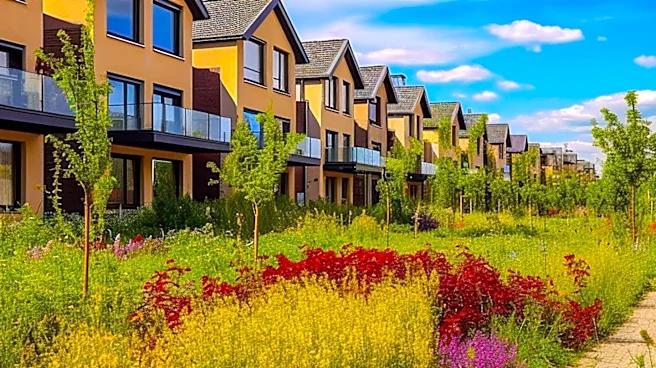
(CNI) Grant program. This significant federal investment is designated to transform the Murchison Townhouses public housing community into a new mixed-income Murchison Choice Neighborhood. The grant will fund the next phase of the Murchison Choice Transformation Plan, a comprehensive strategy developed with resident and partner input. The plan aims to revitalize one of Fayetteville's historic neighborhoods through new housing, infrastructure improvements, and community investments. The project will replace all 60 units at the 56-year-old Murchison Townhouses site on a one-for-one basis, while also creating 323 new mixed-income apartments across the Murchison Townhouses and Elliott Properties sites. Additionally, the initiative includes expanded supportive services for residents and physical enhancements throughout the surrounding neighborhood. This award marks the first-ever Choice Neighborhoods Implementation Grant for eastern North Carolina.
Why It's Important?
This $25.1 million HUD grant is a landmark investment for Fayetteville and eastern North Carolina, as it is expected to leverage over $531 million in public and private funding. The transformation of the Murchison Townhouses into a mixed-income neighborhood addresses critical needs for affordable housing and community revitalization. By replacing existing public housing units and adding new mixed-income apartments, the project aims to deconcentrate poverty and create a more sustainable, vibrant community. The holistic approach of the Murchison Choice Plan, which includes housing, people, and neighborhood investments, is designed to improve residents' quality of life through better access to quality schools, services, public assets, transportation, and jobs. This initiative is crucial for economic development in the Murchison Road corridor, a historic area of Fayetteville. The grant also signifies a federal commitment to supporting local strategies that convert distressed neighborhoods into thriving, mixed-income communities, setting a precedent for future revitalization efforts in similar regions.
What's Next?
The City of Fayetteville and FMHA will now proceed with the implementation phase of the Murchison Choice Transformation Plan. This involves working with key partners such as Pennrose, a national developer serving as the Housing lead, and Urban Strategies, which will lead the 'People' aspect of the plan. The project will focus on constructing 323 mixed-income rental units, including the one-for-one replacement of the 60 public housing units, ensuring deeply affordable options for eligible residents with a right to return. Beyond housing, the plan includes developing family supportive services, educational opportunities, workforce development, and economic self-sufficiency programs. Neighborhood improvements will encompass 35 new for-sale homes, exterior upgrades to existing homes, commercial building façade improvements, new trail connections, and placemaking investments. City officials will continue to collaborate with HUD to ensure the project aligns with housing production objectives and community development goals. The success of this project could serve as a model for other communities seeking to revitalize distressed public housing areas through comprehensive, mixed-income development strategies.
Beyond the Headlines
The Murchison Choice Neighborhood initiative represents more than just a housing development; it embodies a comprehensive community revitalization strategy aimed at breaking cycles of poverty and fostering long-term social and economic mobility. The emphasis on resident engagement in shaping the transformation plan highlights a shift towards community-driven development, ensuring that the changes reflect the needs and aspirations of those directly affected. This project also underscores the importance of public-private partnerships in addressing complex urban challenges, leveraging federal grants to attract significant private investment. The focus on creating a walkable, connected community with integrated services—from education to workforce development—suggests a vision that extends beyond physical infrastructure to build social capital and enhance overall community well-being. The success of such initiatives often depends on sustained collaboration among various stakeholders and the ability to adapt to evolving community needs, making it a critical case study for urban planning and social policy in the U.S.