







What's Happening?
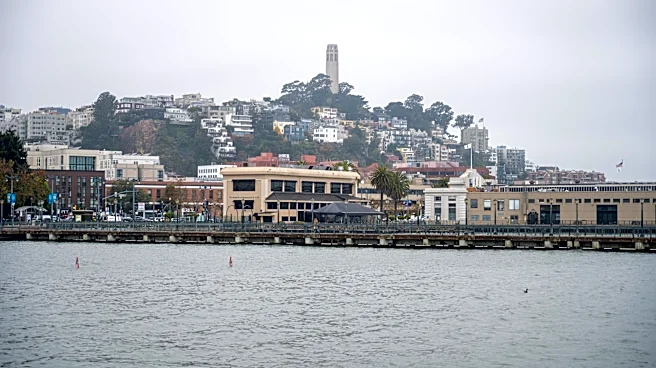
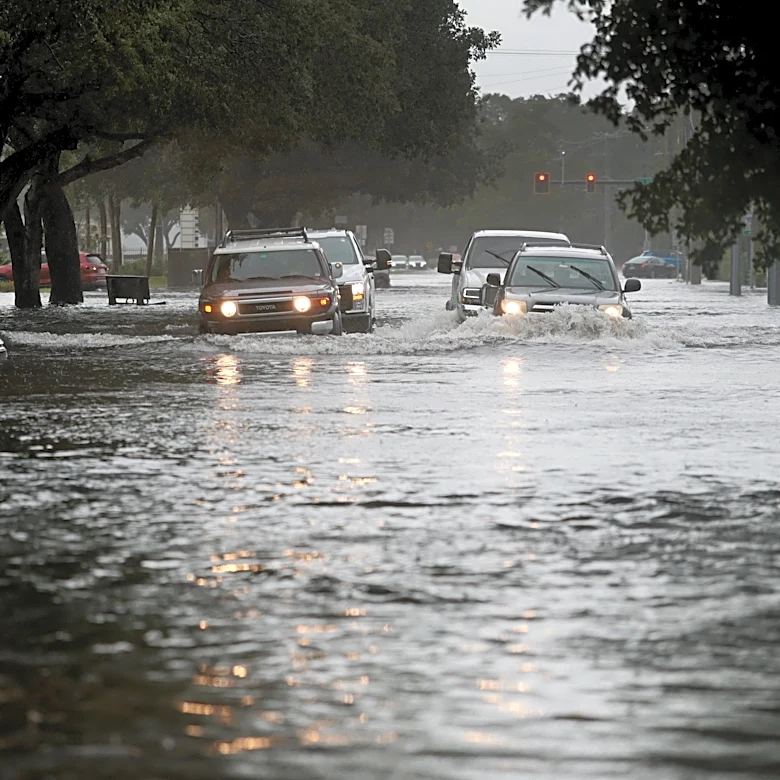
A powerful storm has brought widespread flooding across various parts of the San Francisco Bay Area, impacting roadways, neighborhoods, and low-lying areas. The storm, characterized by heavy rain and strong winds, has led to saturated ground conditions,
causing significant traffic disruptions. Areas from San Francisco to Corte Madera and San Jose have reported flooded streets. Emergency crews are actively working to clear storm drains and respond to rising water levels. Videos from across the region show submerged roadways, standing water, and even a Waymo vehicle stranded in floodwaters. Forecasters have issued warnings that additional rain and runoff are expected to continue, creating hazardous travel conditions throughout the day. Drivers are being urged to exercise caution and avoid flooded roads to ensure their safety and prevent further incidents.
Why It's Important?
The widespread flooding in the San Francisco Bay Area carries significant implications for daily life, local infrastructure, and the regional economy. Disruptions to transportation networks, including submerged roadways, directly affect commuters and commercial logistics, potentially leading to delays in supply chains and reduced economic activity. The need for emergency services to clear storm drains and rescue stranded vehicles places a strain on public resources. Furthermore, repeated or severe flooding events can cause long-term damage to infrastructure, such as roads and drainage systems, requiring substantial public investment for repairs. For residents, the immediate impact includes property damage, potential displacement, and safety risks, highlighting the vulnerability of urban areas to extreme weather events and the importance of robust flood preparedness and response strategies.
What's Next?
As the storm continues, forecasters anticipate additional rain and runoff, which will likely prolong hazardous travel conditions across the San Francisco Bay Area. Emergency services will remain on high alert, continuing their efforts to manage rising water levels, clear debris from storm drains, and assist stranded individuals. Local authorities are expected to issue further advisories and potential road closures as conditions evolve. Residents should prepare for continued disruptions, including potential power outages and difficulties in transportation. In the aftermath of the storm, assessments of infrastructure damage will commence, leading to repair efforts. The event may also prompt discussions among local government and urban planners regarding long-term flood mitigation strategies and improvements to drainage systems to enhance regional resilience against future severe weather.
Beyond the Headlines
The recurring nature of severe weather events like this storm in the San Francisco Bay Area points to broader implications related to climate change and urban planning. The increased intensity and frequency of heavy rainfall events challenge existing infrastructure designed for historical weather patterns. This situation highlights the urgent need for cities to invest in climate-resilient infrastructure, including upgraded drainage systems and green infrastructure solutions that can better manage stormwater runoff. Beyond immediate recovery, there's a growing ethical and economic imperative for local governments to adapt to changing climate realities, ensuring the safety and sustainability of urban environments. The event also underscores the importance of public awareness and preparedness, as individual actions, such as avoiding flooded roads, play a crucial role in mitigating risks during such crises.