






What's Happening?
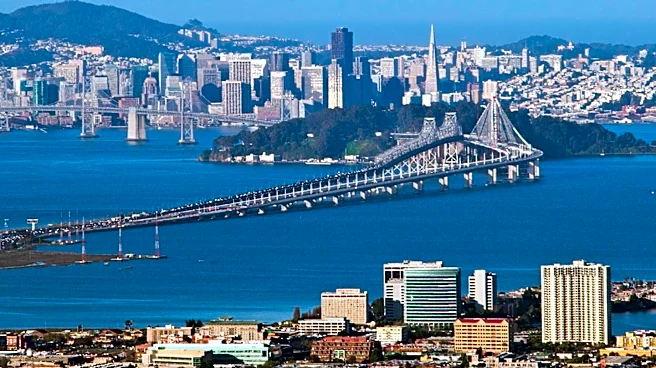
Urbanization in the U.S. is characterized by an increasing concentration of people in cities, which often results in urban sprawl. This sprawl involves the expansion of low-density suburbs and businesses into areas outside city limits. This outward growth
is largely facilitated by extensive road and transport networks, enabling residents to live further from urban centers while still accessing jobs and services within the city. While urban sprawl can increase housing availability and provide more living space for residents, it also introduces significant planning complexities. These challenges include the necessity of extending infrastructure over larger geographical areas, which can exacerbate issues such as traffic congestion, increased fuel consumption, and elevated air pollution levels. The phenomenon of urbanization also contributes to the formation of megacities, defined as metropolitan areas with populations exceeding 10 million, and megaregions, which are interconnected by transportation, commuting patterns, and economic activities.
Why It's Important?
The ongoing trend of urbanization and its associated sprawl has profound implications for U.S. industries, public policy, and society. Economically, the need to extend infrastructure for sprawling developments creates demand for construction, transportation, and utility sectors, but also increases public expenditure. Environmentally, the rise in fuel use and air pollution from longer commutes poses significant public health challenges and contributes to climate concerns, impacting environmental policy and regulatory frameworks. Socially, while sprawl offers more space, it can also lead to increased social segregation and reduced community cohesion as populations spread out. Urban planning departments face the critical task of balancing growth with sustainability, managing resource allocation, and mitigating negative environmental impacts. The development of megacities and megaregions signifies a shift in demographic and economic power, concentrating both opportunities and challenges in these large urbanized areas, affecting regional development strategies and resource distribution across the nation.
What's Next?
Addressing the challenges posed by urbanization and urban sprawl will likely involve a multi-faceted approach from U.S. policymakers and urban planners. Future initiatives may focus on promoting more compact, mixed-use developments to curb sprawl and reduce reliance on extensive transportation networks. Investments in public transit infrastructure are anticipated to alleviate congestion and decrease fuel consumption, aligning with broader environmental goals. Local and state governments may explore updated zoning laws and land-use policies to encourage infill development and protect undeveloped land. Furthermore, there could be increased emphasis on smart growth strategies that integrate housing, employment, and services within walkable communities. The continued growth of megacities and megaregions will necessitate enhanced inter-jurisdictional cooperation to manage shared resources, transportation, and economic development effectively, potentially leading to new regional governance models and funding mechanisms for large-scale infrastructure projects.
Beyond the Headlines
Beyond the immediate concerns of traffic and pollution, urbanization and sprawl raise deeper questions about the long-term sustainability and equity of U.S. urban development. The expansion of low-density areas often leads to increased energy consumption for heating, cooling, and transportation, contributing to a larger carbon footprint per capita compared to denser urban environments. This pattern also has significant implications for biodiversity, as natural habitats are converted for development. Ethically, the distribution of resources and access to amenities in sprawling regions can exacerbate social inequalities, with lower-income populations often facing longer commutes and fewer local services. Culturally, the loss of distinct community identities in favor of homogenous suburban landscapes is a growing concern. The shift towards megacities and megaregions also highlights the evolving nature of American identity, moving from a collection of distinct cities to interconnected urban systems, which could reshape political representation and regional economic power dynamics in the coming decades.