


What's Happening?
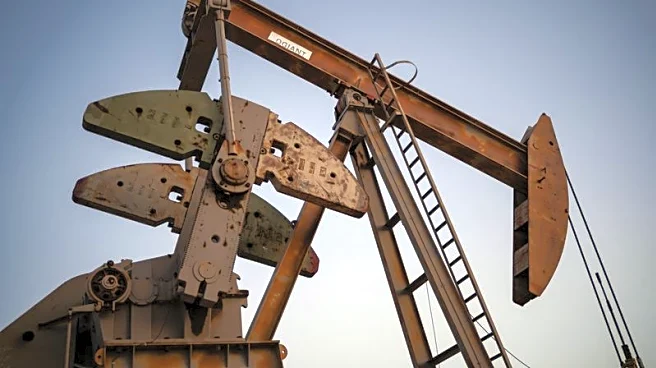
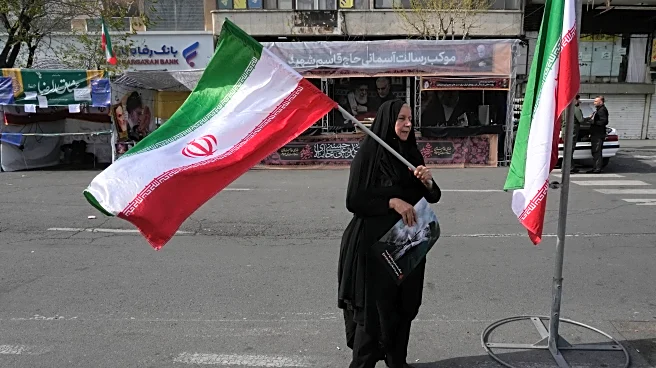
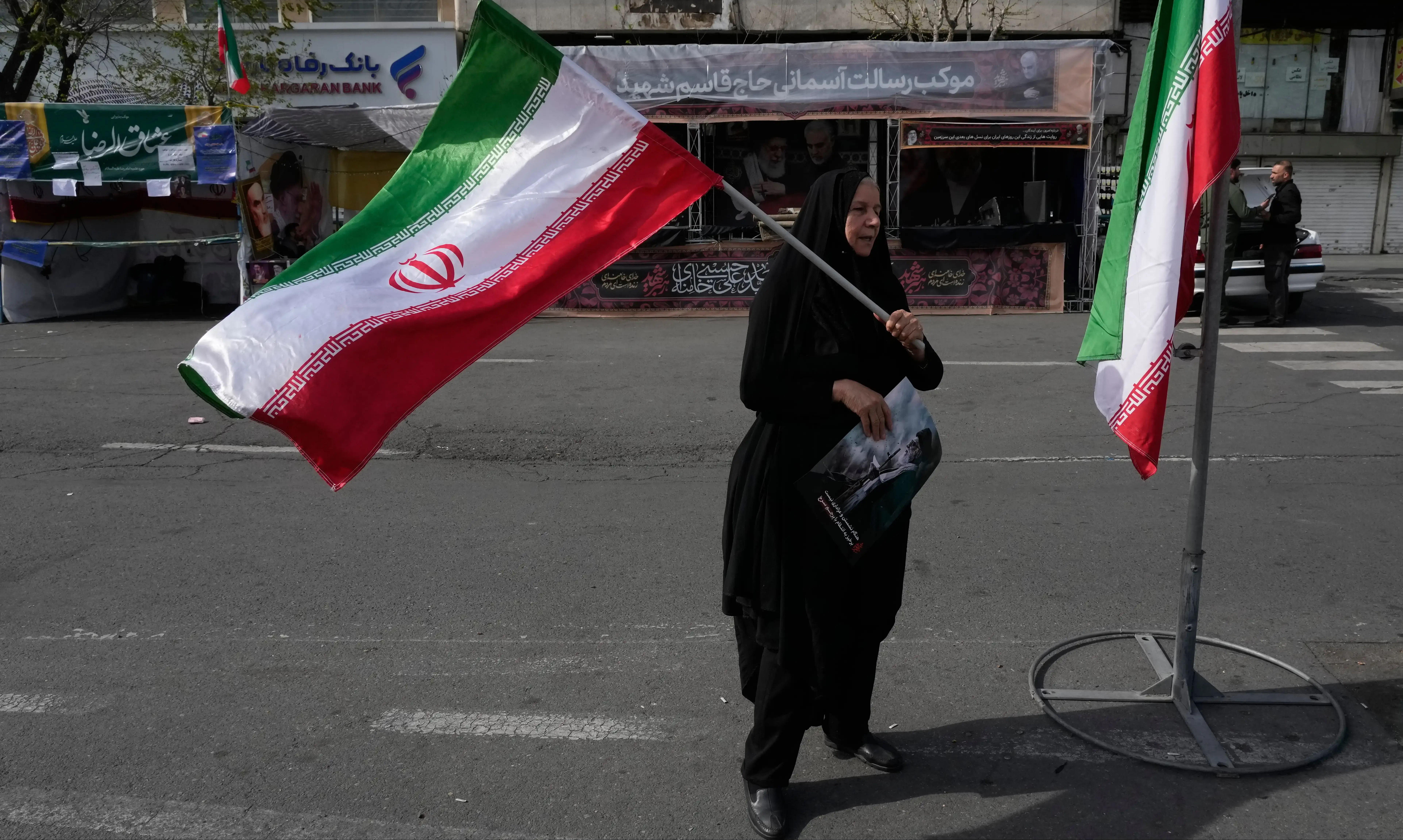
Oil prices have surged following Iran's denial of engaging in negotiations with the United States, contradicting statements made by President Trump. The denial comes amid ongoing conflict in the Middle East, which has disrupted oil flows and reduced production.
West Texas Intermediate crude rose to $91.54, while Brent crude increased to $103.40. The market had initially reacted to President Trump's comments suggesting potential de-escalation, as he announced a delay in planned U.S. strikes on Iranian energy infrastructure. However, Iran's denial and the continued conflict have kept oil prices elevated. The International Energy Agency reports significant damage to energy sites in the region, contributing to the sustained high prices.
Why It's Important?
The spike in oil prices highlights the vulnerability of global energy markets to geopolitical tensions. The ongoing conflict in the Middle East has disrupted a significant portion of the world's oil supply, particularly through the Strait of Hormuz, a critical chokepoint for global energy shipments. The uncertainty surrounding U.S.-Iran relations and the potential for further escalation could lead to prolonged high oil prices, impacting global economic stability. Industries reliant on oil, such as transportation and manufacturing, may face increased costs, which could be passed on to consumers, contributing to inflationary pressures.
What's Next?
The situation remains fluid, with potential for further developments in U.S.-Iran relations. If the conflict continues, oil prices may remain high, affecting global markets. The U.S. and other countries may consider releasing strategic oil reserves to stabilize prices. Additionally, diplomatic efforts involving regional powers could play a role in de-escalating tensions. The energy market will closely monitor any changes in the geopolitical landscape that could impact supply routes and production levels.