






What's Happening?
Polish Prime Minister Donald Tusk has issued a warning regarding the increasing threat Russia poses to the North Atlantic Treaty Organization (NATO). Following a conversation with NATO Secretary General Mark Rutte, Tusk emphasized the critical need for
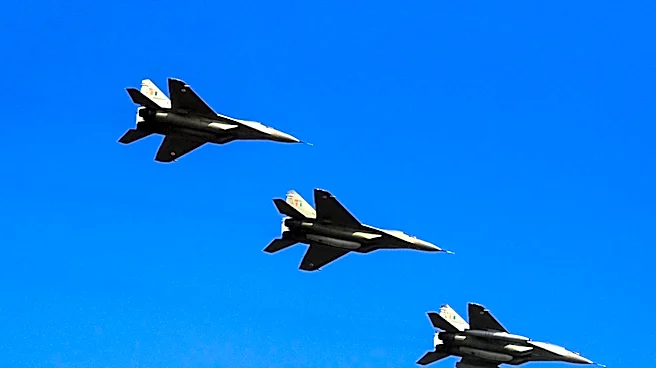
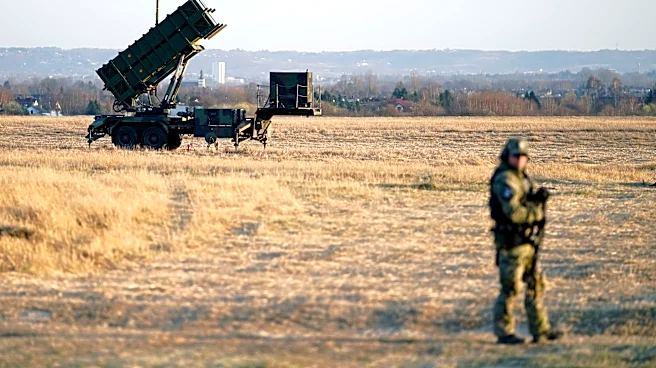
the alliance to provide Ukraine with additional air support, highlighting its importance for Europe's security. Tusk described the next six months as decisive and stressed that Poland and NATO must be prepared for various developments, including potential Russian provocations against the alliance. This concern comes amidst broader discussions within NATO about Russia's intentions and capabilities, with some officials suggesting Russia could be in a position to attack a NATO country by 2029. Tusk's remarks underscore a heightened sense of urgency among some European leaders regarding the ongoing conflict in Ukraine and its implications for regional stability.
Why It's Important?
This warning from a key NATO member like Poland carries significant weight for U.S. foreign policy and defense strategy. The U.S. is a foundational member of NATO, and any perceived threat to the alliance directly impacts its security commitments under Article 5, which mandates collective defense. Increased Russian aggression or provocations against NATO members would necessitate a robust U.S. response, potentially leading to greater military deployments, increased defense spending, and a re-evaluation of strategic priorities. Furthermore, the call for more air support for Ukraine directly involves U.S. military aid and resource allocation. A stronger, more secure Ukraine is seen by many as a buffer against Russian expansion, thus protecting NATO's eastern flank. Failure to adequately support Ukraine could embolden Russia, potentially leading to a more unstable European security environment that would require even greater U.S. involvement and resources in the long term. The stability of Europe is intrinsically linked to U.S. economic and security interests.
What's Next?
In the immediate future, NATO members, including the U.S., are likely to continue discussions on increasing military aid to Ukraine, particularly air defense systems, in response to calls from leaders like Prime Minister Tusk. The next six months are anticipated to be crucial, suggesting potential escalations or significant shifts in the conflict. NATO will likely continue to monitor Russian activities closely and may conduct further military exercises to demonstrate readiness and deterrence. There could also be increased diplomatic efforts to de-escalate tensions while simultaneously strengthening the alliance's defensive posture. The U.S. administration will face ongoing pressure to balance its support for Ukraine with broader strategic considerations and domestic priorities. Decisions made in the coming months regarding military assistance and alliance solidarity will significantly shape the trajectory of the conflict and the future of European security.
Beyond the Headlines
The underlying implications of Prime Minister Tusk's statement extend beyond immediate military concerns, touching upon the evolving nature of international security and the role of alliances. The emphasis on potential Russian provocations highlights the shift from conventional warfare to hybrid threats, including cyberattacks and information warfare, which can blur the lines of aggression and challenge traditional defense mechanisms. This necessitates a re-evaluation of NATO's collective defense strategies to address these multifaceted threats effectively. Moreover, the discussion about Europe's security being tied to Ukraine's success underscores a growing recognition that regional conflicts can have far-reaching consequences for global stability. It also brings into focus the ethical dimension of international support, where the defense of democratic values in one nation is seen as integral to the security of others. The long-term shift could involve a more integrated and proactive approach to security within NATO, moving beyond purely reactive measures to preempt and counter emerging threats.