







What's Happening?
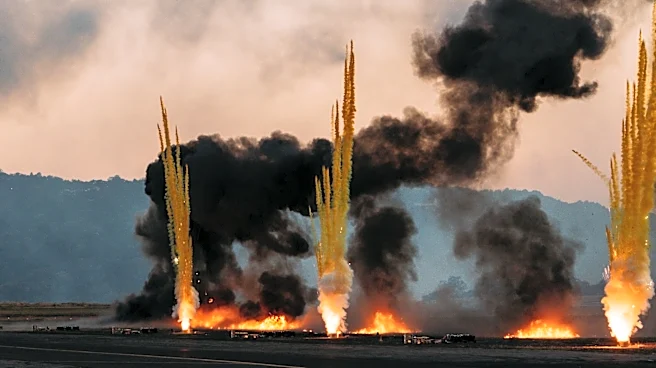
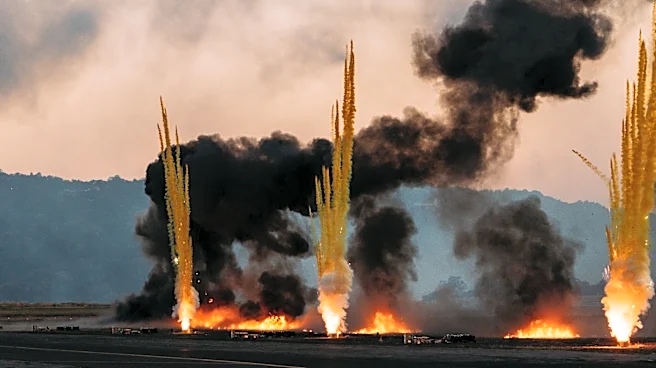
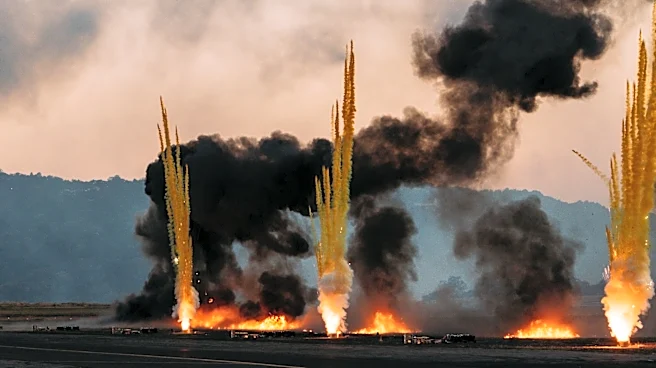
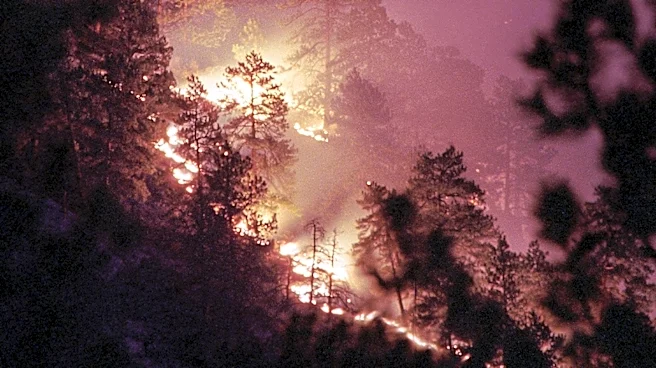
Utah Governor Spencer Cox has imposed a temporary ban on fireworks through July 5 due to extreme wildfire conditions. The state is experiencing severe drought, and the National Weather Service has issued a rare 'Particularly Dangerous Situation' warning,
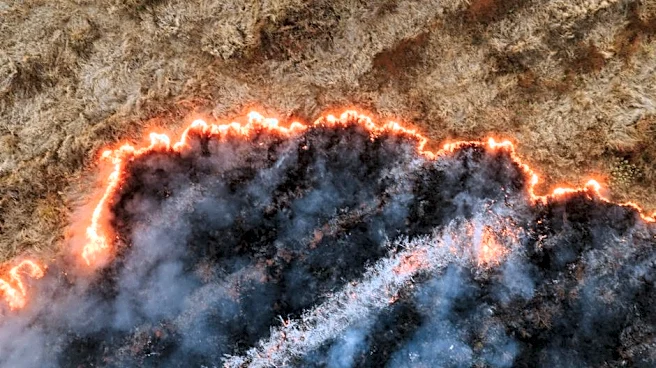
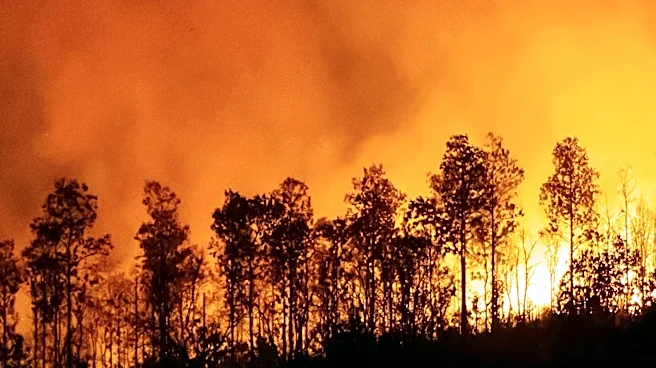
typically reserved for tornadoes. The Cottonwood Fire in southern Utah has grown to nearly 111 square miles and remains uncontained, prompting mandatory evacuations. The Iron Fire, located 70 miles southwest of Salt Lake City, has burned 63 square miles and is only 26% contained. These fires are spreading rapidly due to low humidity and strong winds, with gusts reaching up to 50 mph. The situation is exacerbated by severe drought conditions affecting much of Utah, Arizona, and Colorado.
Why It's Important?
The current wildfire situation in Utah poses significant risks to public safety, property, and the environment. The ban on fireworks is a preventive measure to reduce the risk of new fires during the July 4th celebrations. The rapid spread of these fires underlines the impact of climate change, as traditional firefighting strategies are challenged by unprecedented fire behavior. The economic impact is also considerable, with potential damage to infrastructure and tourism, particularly in areas like the Eagle Point ski resort. The situation highlights the need for increased resources and strategies to manage and mitigate wildfire risks in the face of changing climate conditions.
What's Next?
Authorities are closely monitoring weather conditions and fire behavior, with the possibility of extending restrictions if necessary. Firefighting efforts will continue, focusing on containment and protecting critical infrastructure. The public is advised to adhere to safety warnings and avoid outdoor burning. The situation may prompt discussions on long-term strategies for wildfire management and climate adaptation in the region.