


What's Happening?
Ukraine is actively working to repatriate children who have been forcibly deported or illegally transferred to Russia and Russian-occupied territories. The initiative, often referred to as an 'underground railroad,' involves clandestine operations to bring
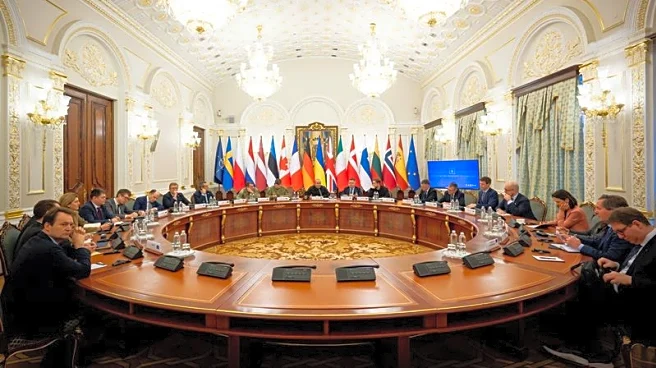
back these children, many of whom have been subjected to Russian indoctrination. Organizations like Save Ukraine are at the forefront of these efforts, using covert methods to avoid detection by Russian authorities. The Ukrainian government has identified approximately 20,000 children affected by these transfers, with only a fraction successfully returned through official channels. The situation underscores the broader geopolitical tensions between Ukraine and Russia, with international coalitions being formed to pressure Russia into cooperation.
Why It's Important?
The forced transfer and indoctrination of Ukrainian children by Russia represent a significant human rights issue, drawing international condemnation and highlighting the ongoing conflict's impact on civilians. The situation has broader implications for international law and child protection standards, as it challenges the global community to respond to such violations. The efforts to return these children are not only a humanitarian mission but also a political statement against Russian aggression. The success or failure of these operations could influence international relations and the geopolitical landscape, particularly in how countries address similar conflicts and human rights abuses.
What's Next?
Ukraine is likely to continue its efforts to repatriate children, potentially increasing international pressure on Russia through diplomatic channels and alliances. The situation may lead to further international legal actions or sanctions against Russia, depending on the global community's response. Additionally, Ukraine may seek to strengthen its alliances with countries willing to support its cause, potentially leading to increased military or humanitarian aid. The ongoing conflict and these repatriation efforts will likely remain a focal point in international discussions about the region's stability and security.
Beyond the Headlines
The situation raises ethical questions about the use of children in geopolitical conflicts and the long-term psychological impact on those affected. The indoctrination and forced assimilation of children into a foreign culture could have lasting effects on their identity and mental health. Furthermore, the clandestine nature of the repatriation efforts highlights the challenges faced by humanitarian organizations operating in conflict zones, where official channels are often ineffective or compromised. This scenario underscores the need for robust international mechanisms to protect vulnerable populations in times of war.