





What's Happening?
Tippecanoe County's 'community cats' program, implemented two years ago, is drawing both praise and criticism regarding its effectiveness in managing the area's large free-roaming cat population. Under the ordinance, a cat found at large is designated
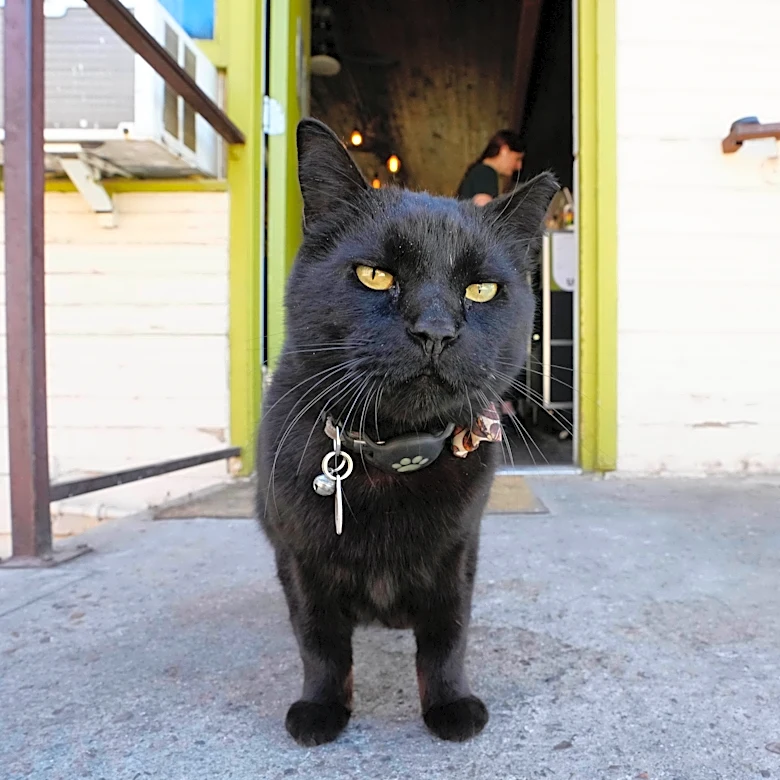
a 'community cat' unless its owner is immediately identifiable. These cats are then held for 24 hours at the Humane Society for Greater Lafayette, where they are microchipped, spayed or neutered, vaccinated, and ear-tipped before being returned to the location where they were found. While proponents, including Josh Klumpe, Executive Director for the Humane Society for Greater Lafayette, argue the program saves lives and helps manage shelter capacity, critics like Kennedy Van Meter, owner of the Lazy Cat Lounge, contend it can endanger friendly or dependent cats by returning them to unsafe environments without proper care. An estimated 20,000 cats are believed to be in Tippecanoe County.
Why It's Important?
This program highlights a significant challenge faced by many communities across the U.S.: how to humanely and effectively manage stray and feral cat populations. The 'community cats' approach, often referred to as Trap-Neuter-Return (TNR), is a widely debated strategy. Its importance lies in its potential to reduce euthanasia rates in shelters and control population growth through sterilization. For Tippecanoe County, with an estimated 20,000 cats, this program aims to prevent overcrowding in shelters and the spread of diseases. However, the controversy underscores the ethical dilemma of returning domesticated or semi-domesticated cats to outdoor environments where they may face dangers like traffic, predators, or lack of food and medical care. The debate impacts animal welfare organizations, local government, and residents, raising questions about the best practices for animal control and the balance between population management and individual animal well-being.
What's Next?
The ongoing debate surrounding Tippecanoe County's 'community cats' program suggests that further evaluation and potential modifications may be considered. Critics like Kennedy Van Meter advocate for designated caretakers or clearer policies that allow for longer holding periods, especially for cats that appear dependent on humans. This could lead to discussions about increasing resources for foster programs or expanding adoption efforts for friendly 'community cats.' The Humane Society for Greater Lafayette, while defending the program's necessity for managing high intake volumes, may need to address public concerns about the welfare of individual cats. Future steps could involve community forums, data analysis on the program's long-term impact on cat populations and welfare, and potential amendments to the county ordinance to incorporate more nuanced approaches for different types of stray cats. The outcome could influence animal control policies in other U.S. communities facing similar challenges.
Beyond the Headlines
The 'community cats' program in Tippecanoe County delves into the complex ethical and practical considerations of human-animal coexistence in urban and suburban environments. Beyond the immediate concerns of population control and shelter capacity, it touches upon the evolving understanding of animal sentience and welfare. The program forces a re-evaluation of what constitutes 'care' for a cat, particularly for those that blur the line between wild and domesticated. It also highlights the strain on animal welfare organizations, which are often under-resourced and tasked with managing overwhelming numbers of animals. The differing perspectives—from those prioritizing population control and shelter efficiency to those advocating for the individual well-being of every cat—reflect broader societal values regarding animal rights and responsibilities. This local debate mirrors a national conversation about sustainable solutions for stray animal populations that balance public health, ecological impact, and compassionate treatment.