



What's Happening?
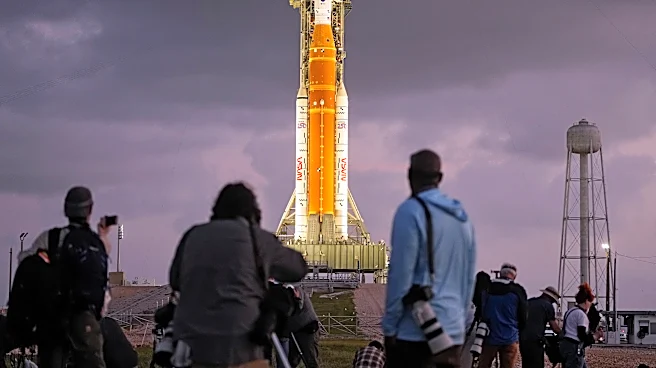
Renesas Electronics Corporation announced that its radiation-hardened integrated circuits (ICs) are being utilized in NASA's Artemis II mission, which launched from the Kennedy Space Center. This mission marks the first crewed lunar mission in decades,
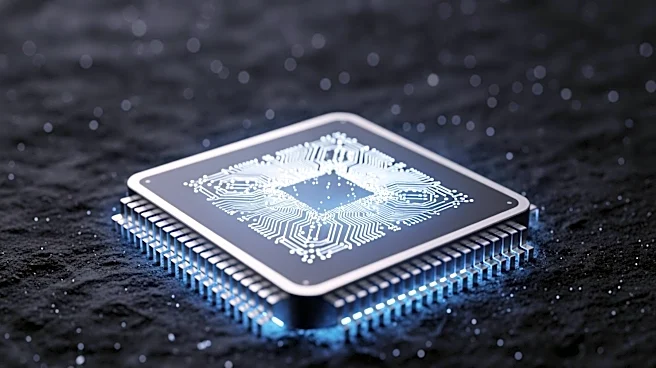
aiming to orbit the moon and test spacecraft systems. Renesas' ICs are embedded in the Orion spacecraft and Space Launch System, playing a critical role in power regulation, signal integrity, and onboard computing. These components are designed to withstand the harsh conditions of space, ensuring the mission's success.
Why It's Important?
The inclusion of Renesas' technology in the Artemis II mission underscores the company's significant role in space exploration. This mission is a pivotal step in NASA's plan to return humans to the moon and establish a sustainable presence there. The success of Artemis II could lead to further opportunities for Renesas in future space missions, enhancing its reputation and market position in the aerospace industry. The mission also represents a broader push for technological advancements in space exploration, potentially leading to new scientific discoveries and innovations.
What's Next?
As Artemis II progresses, the performance of Renesas' ICs will be closely monitored to ensure mission success. The data and experience gained from this mission will inform future lunar missions, including potential landings. Renesas is likely to continue its collaboration with NASA and other space agencies, contributing to the development of next-generation space technologies. The success of Artemis II could also influence public and private investment in space exploration, driving further advancements in the field.