
What's Happening?
Cuba has experienced its second nationwide power outage in less than a week, a situation exacerbated by the U.S. embargo on oil shipments to the island nation. This embargo is part of a broader strategy by President Trump, who has called for regime change
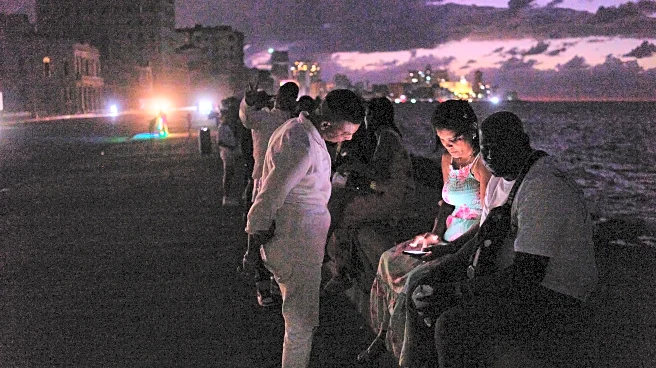
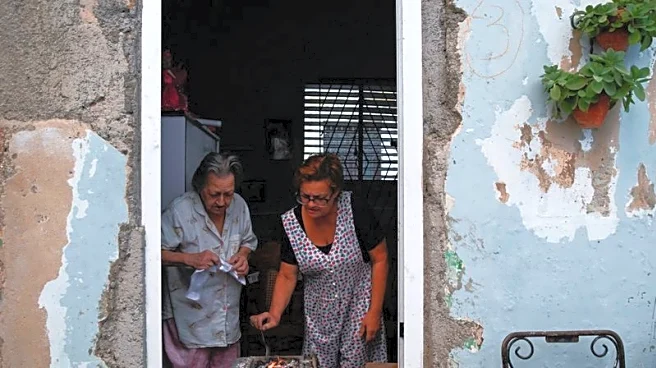
in Cuba. The energy crisis in Cuba is a direct consequence of these restrictions, which have severely limited the country's ability to import necessary fuel supplies. The outages have affected daily life across the country, disrupting businesses, public services, and the general population's access to electricity.
Why It's Important?
The U.S. embargo on oil to Cuba is a significant geopolitical move, reflecting ongoing tensions between the two countries. The power outages highlight the vulnerability of Cuba's energy infrastructure and the broader economic challenges faced by the nation under U.S. sanctions. For the U.S., this action is part of a larger foreign policy strategy aimed at pressuring the Cuban government. However, it also raises questions about the humanitarian impact on the Cuban population, who are experiencing the immediate effects of these power shortages. The situation underscores the complex interplay between international policy decisions and their real-world consequences.
What's Next?
The continuation of power outages in Cuba may lead to increased domestic unrest and pressure on the Cuban government to find alternative energy solutions. Internationally, the situation could prompt discussions about the effectiveness and ethical implications of economic sanctions as a tool for political change. The U.S. may face criticism from other nations and international organizations concerned about the humanitarian impact of the embargo. Future diplomatic engagements or negotiations could be influenced by the ongoing energy crisis in Cuba, potentially affecting U.S.-Cuba relations and broader regional dynamics.