



What's Happening?
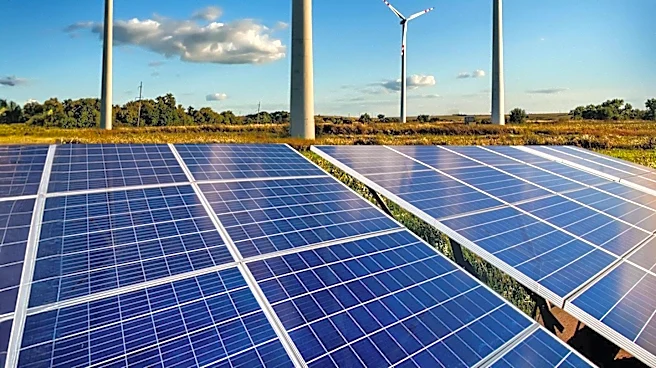
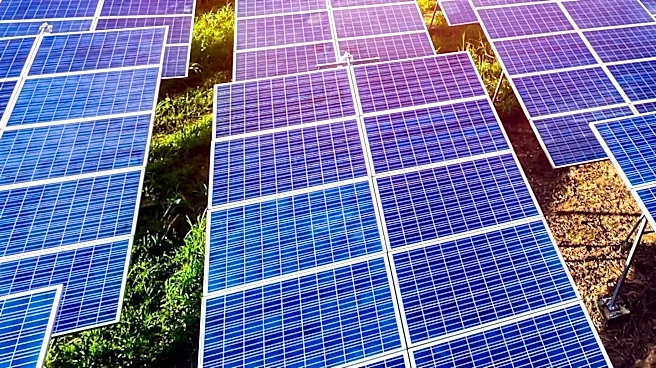
A 2017 Indiana state law is making it financially challenging for homeowners to install solar panels, while benefiting electric companies. The law affects net metering, a system that allows solar panel owners to send excess energy back to the grid and
receive credits. In Indiana, homeowners receive only a fraction of the energy value they contribute, as electric companies sell the energy at full price but credit homeowners at a reduced rate. This has extended the payoff period for solar investments beyond the lifespan of the panels, discouraging solar adoption among residents.
Why It's Important?
The law has significant implications for Indiana's energy policy and environmental goals. By discouraging solar adoption, it limits the state's progress towards renewable energy and energy independence. Homeowners are financially disadvantaged, while electric companies and their shareholders benefit from the current system. This situation highlights the need for policy reform to support fair energy practices and encourage sustainable energy solutions. The economic and environmental stakes are high, as the law affects both individual financial decisions and broader state energy strategies.
What's Next?
There is a call for the Indiana General Assembly to repeal the 2017 law and restore fair net metering practices. Such a move could incentivize more homeowners to invest in solar energy, aligning with national trends towards renewable energy adoption. The decision could also impact the financial dynamics between consumers and electric companies, potentially leading to a more balanced energy market. Stakeholders, including environmental groups and consumer advocates, are likely to push for legislative changes to address these issues.