



What's Happening?
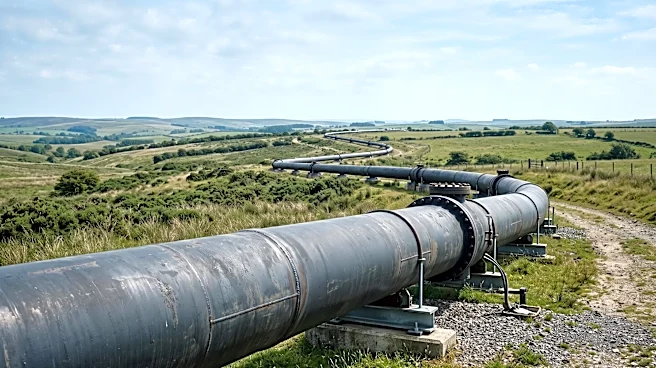
China National Petroleum Corporation (CNPC) has officially commissioned China's longest carbon dioxide (CO2) pipeline in Jilin Province. This 277.6-kilometer pipeline is designed to transport up to 3.3 million metric tons of CO2 annually. The CO2 is captured
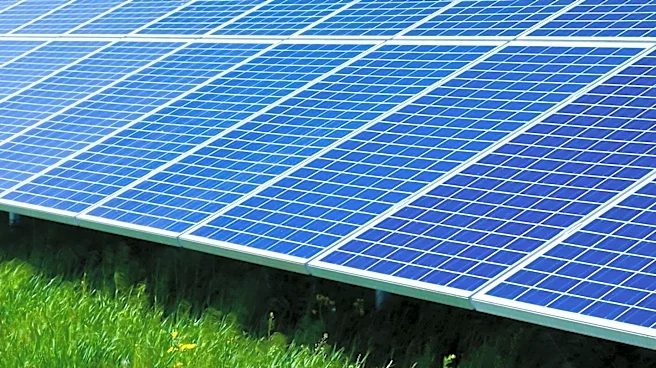
from Jilin Petrochemical's recovery units and then transported northward to the Jilin Oilfield. The primary purposes of this pipeline are enhanced oil recovery (EOR) and permanent geological storage. Jilin Petrochemical's 800,000-ton-per-year CO2 recovery project, which provides the stable feedstock for the pipeline, reached full commissioning in October 2026. The project is notable for its technological innovations and its use of green electricity from wind and solar power, providing green energy support throughout its lifecycle. The pipeline traverses the cities of Jilin, Changchun, and Songyuan, setting domestic records for distance, pipe diameter, operating pressure, and throughput.
Why It's Important?
This project represents a significant advancement in China's carbon capture, utilization, and storage (CCUS) capabilities, positioning the high-pressure trunk line as a central backbone for a broader regional CCUS industrial cluster in Northeast China. The integration of CO2 capture with enhanced oil recovery offers a dual benefit: reducing industrial carbon emissions while simultaneously boosting oil production from mature fields. This approach could serve as a model for other regions globally looking to balance energy demands with environmental sustainability goals. The use of green electricity to power the pipeline further enhances its environmental credentials, demonstrating a commitment to reducing the carbon footprint of industrial operations. The scale and technological sophistication of this pipeline could influence future CCUS infrastructure development and investment strategies worldwide, including in the U.S., as countries seek viable solutions for decarbonization.
What's Next?
CNPC intends to utilize this pipeline as a trunk line to expand the regional layout of the CCUS industry, providing spare transport capacity for additional third-party industrial emitters as regional capture projects scale. This suggests a future where more industrial facilities in Northeast China could connect to this network, further increasing the volume of captured and stored CO2. The success of this project in achieving its annual transport capacity and EOR targets will likely inform future investments and policy decisions regarding CCUS infrastructure in China and potentially inspire similar large-scale projects internationally. Continued monitoring of the pipeline's operational efficiency, CO2 sequestration effectiveness, and the economic viability of the EOR process will be crucial for assessing its long-term impact and replicability.
Beyond the Headlines
The commissioning of China's longest CO2 pipeline highlights a growing global trend towards integrating carbon management technologies into industrial operations. While primarily focused on enhanced oil recovery, the project also emphasizes permanent geological storage, addressing concerns about long-term carbon sequestration. The technological innovations and the use of green electricity in this project underscore a broader shift towards more sustainable industrial practices, even within traditional fossil fuel sectors. This development could spark ethical discussions about the role of CCUS in prolonging the use of fossil fuels versus accelerating the transition to renewable energy. Furthermore, the project's scale and the potential for regional CCUS hubs could lead to new international collaborations and standards for carbon transport and storage, influencing global climate change mitigation efforts and potentially impacting U.S. energy and environmental policies.