
What's Happening?
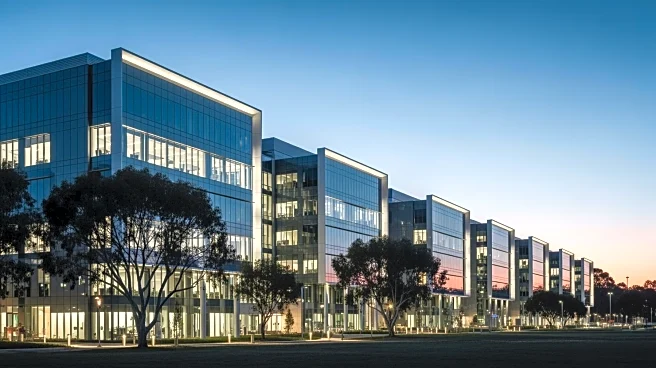
Plans have been unveiled for a new six-story research and development building at the Cambridge Biomedical Campus, featuring a brightly lit 'crown' on its top floor. The development, led by Prologis UK,
is part of a broader expansion of the campus. During a meeting with Cambridge and South Cambridgeshire councillors, concerns were raised about potential light pollution from the building. Liberal Democrat district councillor Anna Bradnam and Labour city councillor Simon Smith expressed worries about the impact of the lighting on both distant views and the natural environment. The developers assured that the illumination would be directed downwards to minimize its impact. The building, named 4,000 Discovery Drive, is set to be constructed off Dame Mary Archer Way. While some councillors criticized the design as a 'steel-and-glass block,' others felt it complemented the surrounding architecture. Further details are expected when a formal planning application is submitted.
Why It's Important?
The expansion of the Cambridge Biomedical Campus is significant as it represents ongoing investment in research and development infrastructure, which can drive innovation and economic growth. However, the concerns about light pollution highlight the environmental and community impact of such developments. Light pollution can disrupt local ecosystems and affect the quality of life for nearby residents. The debate underscores the need for balancing technological and architectural advancements with environmental stewardship and community well-being. The outcome of this project could set a precedent for how future developments address similar concerns, influencing urban planning and environmental policies.
What's Next?
The developers are expected to submit a formal planning application, which will provide more detailed information about the project. This will likely include specific measures to mitigate light pollution and address other environmental concerns. The planning process will involve further consultations with local authorities and stakeholders, potentially leading to modifications in the design or lighting strategy. The outcome of these discussions will be crucial in determining whether the project proceeds as planned or requires adjustments to meet regulatory and community standards.