








What's Happening?
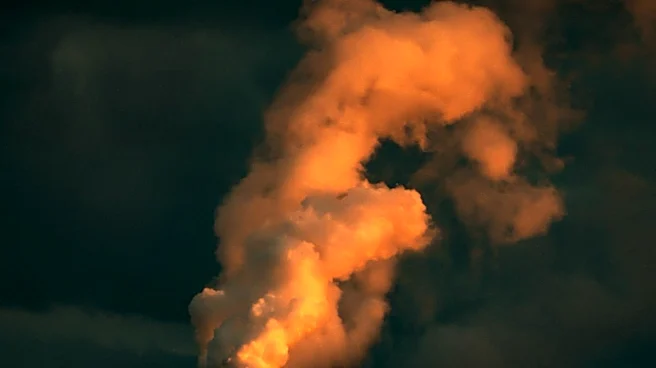
A three-alarm fire destroyed a historic, vacant factory in Buffalo, New York, on Monday morning. The Buffalo Fire Department responded to the blaze at the former Blaw-Knox factory, located at 750 E. Ferry Street, at approximately 4:15 a.m. The two-story,
250,000-square-foot building, which dates back to 1920, was fully engulfed. Firefighters brought the fire under control by 6 a.m. No injuries were reported. Preliminary damage estimates are around $450,000, though this figure is subject to further investigation. The factory was acquired in September 2021 by an investment group for $1 million, with initial plans to convert it into workforce housing, which never materialized.
Why It's Important?
The destruction of the former Blaw-Knox factory represents a significant loss of a historic industrial landmark in Buffalo. While vacant, such large structures often hold architectural and historical value, contributing to the city's identity. The fire also highlights the challenges associated with managing and repurposing large, disused industrial properties, which can become targets for arson or suffer from neglect, leading to safety hazards. For the investment group that purchased the property, this incident likely results in a substantial financial setback, potentially complicating future development plans for the site. The estimated $450,000 in damages, even for a vacant building, indicates a considerable economic impact, and the cost of demolition and site remediation will add to this burden. The incident also raises questions about property security and fire prevention measures for vacant commercial buildings.
What's Next?
The Buffalo Fire Department is continuing its investigation to determine the cause of the three-alarm fire. This investigation will be crucial in understanding whether the fire was accidental or intentionally set. Depending on the findings, there could be legal ramifications, particularly if arson is suspected. The investment group that owns the property will need to assess the full extent of the damage and decide on the future of the site. Options could include demolition and sale of the land, or a revised plan for redevelopment, though the fire will undoubtedly alter previous considerations. The incident may also prompt local authorities to review and potentially strengthen regulations concerning the maintenance and security of vacant industrial properties within the city.
Beyond the Headlines
The fire at the Blaw-Knox factory underscores a broader issue facing many post-industrial cities in the U.S.: the fate of aging, vacant manufacturing facilities. These structures often represent a tangible link to a city's industrial past but can also become liabilities due to decay, environmental contamination, and safety risks. The unfulfilled plans for workforce housing at this site reflect the complexities and financial hurdles involved in urban revitalization projects, especially those targeting large, derelict buildings. This event could serve as a catalyst for Buffalo to re-evaluate its strategies for preserving or redeveloping its industrial heritage, balancing historical significance with practical urban planning and safety concerns. It also highlights the economic and social costs associated with urban decay and the potential for such incidents to further delay or derail community development efforts.