








What's Happening?
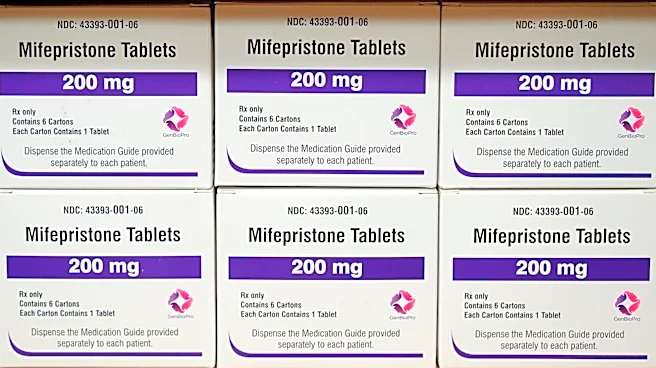
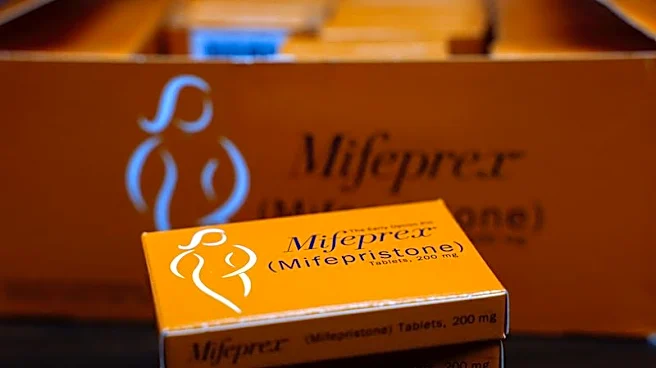
The Supreme Court has decided to maintain nationwide access to the abortion pill mifepristone, despite ongoing legal challenges. This decision blocks lower-court restrictions and allows women to continue obtaining the drug through pharmacies and by mail.
The ruling comes as the court remains divided, with conservative Justices Clarence Thomas and Samuel Alito dissenting. They argue that the plaintiffs, who are challenging the FDA's approval rules, have not demonstrated irreparable harm. Thomas criticized the plaintiffs for seeking relief based on 'lost profits from their criminal enterprise,' while Alito warned that the decision undermines the court's previous ruling in Dobbs v. Jackson Women’s Health Organization, which allowed states to regulate abortions.
Why It's Important?
This ruling is significant as it preserves access to a widely used method of abortion, highlighting the ongoing national debate over reproductive rights. The decision underscores the deep divisions within the Supreme Court regarding abortion access and the role of federal versus state authority in regulating such matters. The outcome affects pharmaceutical companies, healthcare providers, and women seeking abortions, particularly in states with restrictive abortion laws. The ruling also reflects broader tensions between scientific evidence supporting the drug's safety and political efforts to restrict its use.
What's Next?
As the legal challenge continues, the case is expected to proceed into the next year, potentially leading to further court battles. Stakeholders, including reproductive rights advocates and anti-abortion groups, are likely to intensify their efforts to influence public opinion and policy. The decision may prompt legislative actions at both state and federal levels, as lawmakers respond to the court's ruling and its implications for abortion access across the country.