

What's Happening?
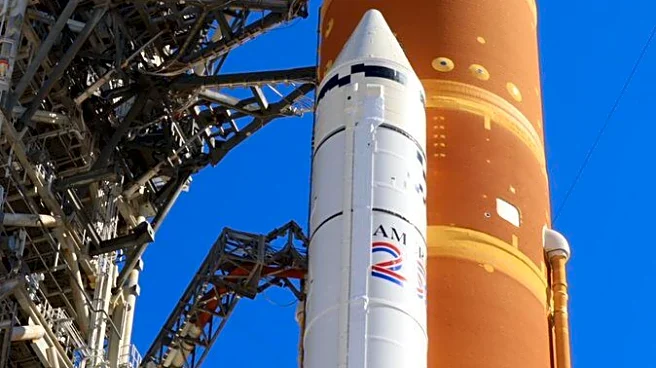
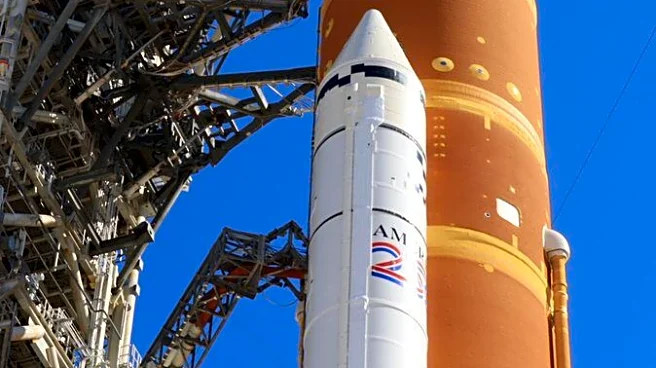
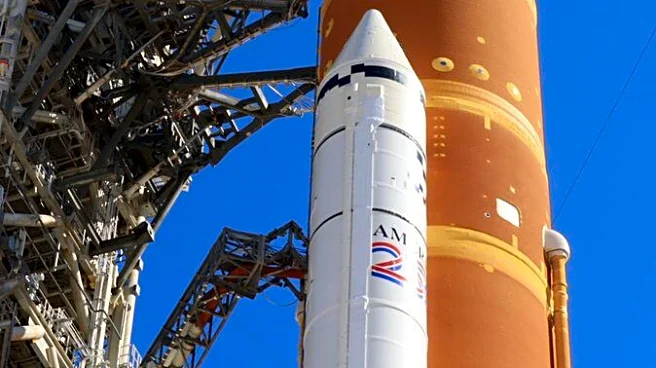
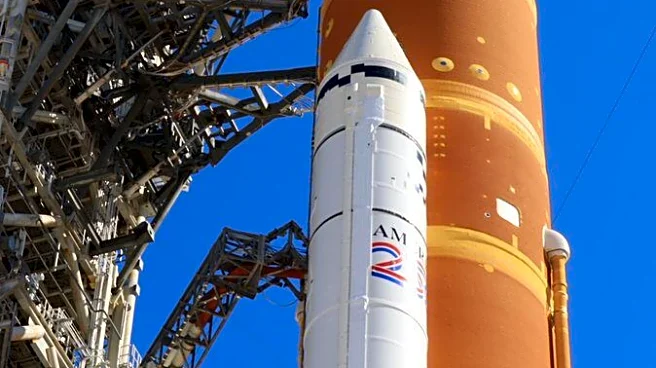
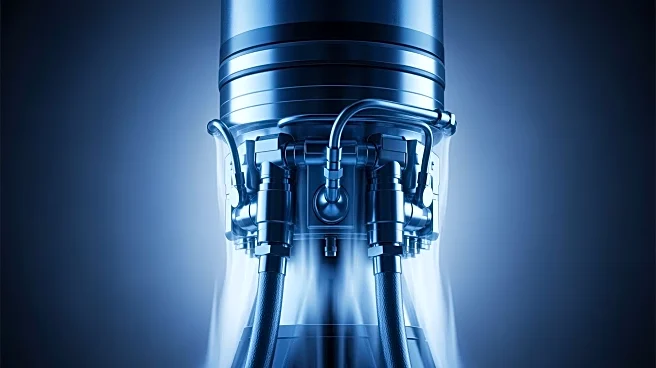
NASA has announced a delay in the launch of the Artemis II mission due to a helium flow disruption in the Space Launch System (SLS). This issue was identified during a wet dress rehearsal at Kennedy Space Center, Florida, where the helium is crucial for
pressurizing and purging propellant systems. The delay has prompted NASA to initiate a rollback of the SLS to the Vehicle Assembly Building for further inspection and repairs. Artemis II, which aims to send four astronauts on a lunar flyby, is now targeting a launch no earlier than April 1, 2026. This mission is significant as it marks the first crewed lunar flyby since 1972, with astronauts Jeremy Hansen, Christina Koch, Victor Glover, and Reid Wiseman preparing for the journey.
Why It's Important?
The delay of Artemis II highlights the challenges and complexities involved in deep-space exploration. The mission is a critical step in NASA's long-term goals, including the construction of the Gateway lunar outpost and future Mars missions. The helium issue underscores the technical difficulties that can arise in space travel, emphasizing the need for meticulous preparation and safety. The delay also reflects the broader context of space exploration, where NASA's pace is often compared to the rapid advancements of private space companies. However, the Artemis program's focus on crewed deep-space missions sets it apart from commercial satellite deployments, reinforcing its unique role in advancing human space exploration.
What's Next?
NASA will conduct further inspections and repairs on the SLS to address the helium issue, with the next potential launch window set for April 1, 2026. The agency will continue to monitor the situation closely, ensuring all systems are fully operational before proceeding. The delay may prompt discussions among policymakers and investors about the program's timeline and budget, as Artemis is pivotal to the U.S.'s strategic space exploration objectives. The outcome of these inspections will determine whether the April launch window remains viable or if further adjustments are necessary.
Beyond the Headlines
The Artemis II delay serves as a reminder of the inherent risks and uncertainties in space exploration. It also highlights the importance of patience and caution in achieving long-term goals. The decision to delay rather than risk a launch with unresolved issues reflects NASA's commitment to safety, informed by past tragedies like the Challenger and Columbia disasters. This cautious approach may ultimately strengthen the program, ensuring that future missions are conducted with the highest standards of safety and reliability.