




What's Happening?
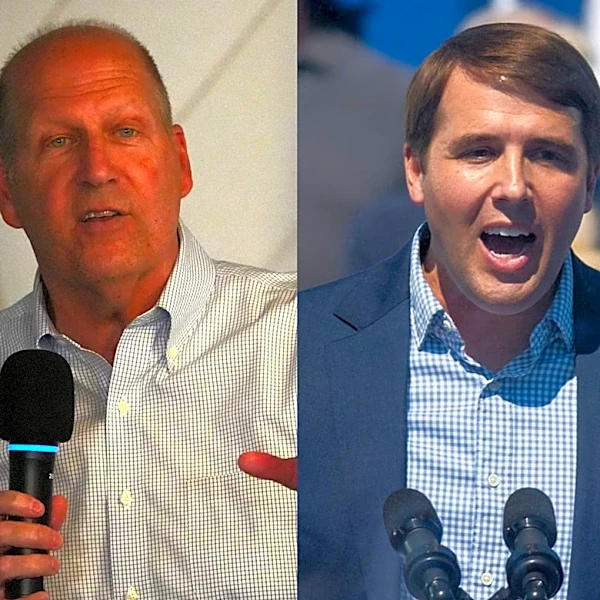
Florida Congressman Randy Fine has issued a warning that British companies complying with the UK's new settlement trade restrictions could face a boycott from Florida. This action could potentially bar these companies from conducting business with Florida's
state and local governments. Fine referenced Florida's existing "Prohibition against contracting with scrutinized companies" law, which specifically prohibits contracts with companies that boycott Israel. According to Fine, if British businesses' operations in Florida necessitate official interaction with state or local authorities, their ability to operate within the state could be terminated. He cited Airbnb's previous attempt to boycott Israeli settlements in 2019 as a precedent, where the same law reportedly compelled the company to reverse its decision to avoid bankruptcy. Fine emphasized that Florida is a significant trading partner for Britain and warned that the UK's actions could result in substantial financial losses for British firms.
Why It's Important?
This development is significant as it highlights the potential for U.S. state-level policies to impact international trade relations and foreign policy. Florida, being the third-largest U.S. state by population and fourth-largest by GDP, holds considerable economic leverage. A boycott from Florida could have substantial financial repercussions for British companies, especially given that the UK is Florida's top foreign investor, supporting approximately 88,000 jobs in the state. The situation underscores the growing trend of U.S. states enacting legislation that reflects specific foreign policy stances, potentially creating a complex and fragmented landscape for international businesses. This could lead to increased compliance challenges for companies operating across different U.S. states and internationally, as they navigate varying legal frameworks related to geopolitical issues. The threat also signals a potential escalation of economic pressure in response to foreign policy decisions concerning Israel.
What's Next?
The immediate next steps will likely involve British companies assessing their exposure to Florida's market and evaluating the potential impact of the state's anti-boycott law. The UK government may also need to consider the implications of Florida's stance on its trade policies and diplomatic relations with the U.S. It remains to be seen whether other U.S. states with similar anti-boycott laws will follow Florida's lead or if the U.S. federal government will issue a formal response to the UK's sanctions and Florida's retaliatory threat. The situation could prompt discussions between U.S. and UK officials to mitigate potential trade disruptions. British business owners, such as former MEP Lance Foreman, are already expressing concerns about the potential loss of business, indicating that the threat is being taken seriously within the UK business community. The long-term implications could include a re-evaluation of trade agreements and investment strategies between the UK and U.S. states.
Beyond the Headlines
Beyond the immediate economic and political ramifications, this situation highlights a deeper trend of sub-national entities asserting their influence in foreign policy matters, traditionally the domain of national governments. Florida's law, and Congressman Fine's application of it, exemplify how state-level legislation can become a tool for expressing geopolitical alignment and exerting economic pressure. This approach raises questions about the coherence of U.S. foreign policy when individual states can unilaterally impose sanctions or boycotts based on their interpretations of international events. It also underscores the increasing politicization of economic activity, where businesses may find themselves caught between differing political agendas of various governmental levels. The case of Airbnb in 2019 demonstrates the tangible power of these state-level laws to compel changes in corporate behavior, suggesting that the current threat to British companies is not merely rhetorical but carries significant weight.