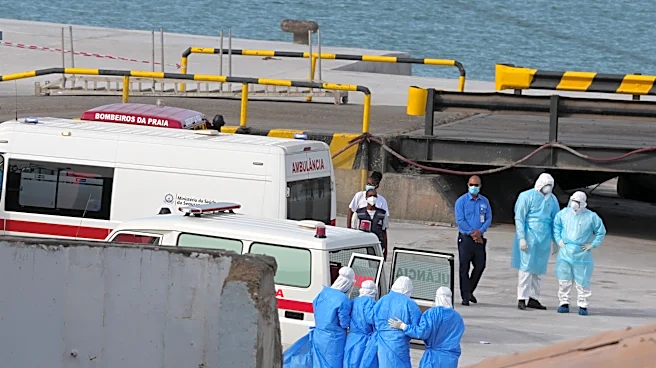










What's Happening?
An outbreak of hantavirus has prompted monitoring in at least five U.S. states, following a deadly incident linked to a cruise ship. Dr. Monica Gandhi, an infectious disease specialist at the University of California, San Francisco, explained that while
hantavirus is serious, it is unlikely to become a pandemic like COVID-19. The virus is primarily spread through contact with rodent droppings, and human-to-human transmission is rare. Health officials are closely monitoring the situation to prevent further spread.
Why It's Important?
The hantavirus outbreak highlights the ongoing challenges of managing infectious diseases and the importance of public health vigilance. While not as contagious as COVID-19, hantavirus can still pose significant health risks, particularly in areas with high rodent populations. The situation underscores the need for effective disease surveillance and response strategies to protect public health. It also serves as a reminder of the diverse range of infectious threats that require attention and resources.
What's Next?
Health authorities will continue to monitor the affected areas and implement measures to control the rodent population and reduce the risk of transmission. Public health campaigns may be launched to educate communities about hantavirus prevention and symptoms. Researchers and health officials will likely study the outbreak to improve understanding and preparedness for future incidents. The situation may also lead to discussions on enhancing global health security and response capabilities.