




What's Happening?
The Oregon Board of Forestry has named Wood River Timber, Iron Horse Logging, and Lone Rock Logging as the state's top logging companies for 2026. These companies were selected as Operator of the Year for their respective regions: Wood River Timber for Eastern
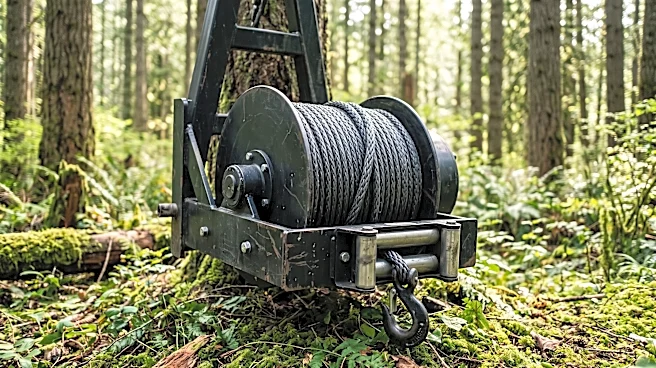
Oregon, Iron Horse Logging for Northwest Oregon, and Lone Rock Logging for Southwest Oregon. The awards acknowledge forestry companies that consistently meet or exceed the requirements of the Oregon Forest Practices Act in protecting natural resources and improving forest health. Wood River Timber was recognized for its work with small landowners, enhancing forestland health and reducing wildfire risks, particularly through thinning overcrowded ponderosa pine and removing juniper. Iron Horse Logging received praise for its meticulous work in the heavy rainfall areas of the Coast Range, utilizing tall yarders to minimize soil damage. Lone Rock Logging was highlighted for its forward-thinking approach, adopting technologies like tethered cutting and grapple logging to boost productivity and worker safety, and testing synthetic cables to reduce damage to remaining trees.
Why It's Important?
These awards underscore Oregon's commitment to sustainable forestry and responsible land management. By recognizing companies that go beyond standard requirements, the Oregon Board of Forestry sets a benchmark for the industry, encouraging practices that prioritize long-term forest health and environmental protection. The work of these companies directly contributes to mitigating critical issues such as catastrophic wildfires, which have become a significant concern in the Western U.S. Their methods, including selective thinning and careful harvesting techniques, help create more resilient forests, protect biodiversity, and ensure the sustainability of timber resources. Furthermore, the adoption of advanced technologies by companies like Lone Rock Logging demonstrates a path toward more efficient and safer logging operations, which can improve the economic viability of the forestry sector while minimizing its ecological footprint. This recognition also highlights the importance of private landowners in forest health initiatives, as exemplified by Wood River Timber's focus on assisting smaller landholders.
What's Next?
The recognition of these logging companies is likely to encourage broader adoption of their exemplary practices across Oregon's forestry sector. Other logging firms may look to these award winners as models for integrating sustainable techniques, advanced technologies, and enhanced safety protocols into their operations. The Oregon Department of Forestry may use these examples in educational outreach and best practice guides to further promote responsible forest management. Continued innovation in logging technology, such as the use of synthetic cables and grapple logging, is expected to gain traction as companies seek to improve efficiency and environmental outcomes. This could lead to further investments in research and development within the forestry equipment industry. Additionally, the focus on wildfire risk reduction and forest health for small landowners may prompt increased collaboration between state agencies, private landowners, and logging companies to implement similar projects across the state.
Beyond the Headlines
The recognition of these logging companies reflects a broader shift in the forestry industry towards a more holistic understanding of forest ecosystems. Beyond simply timber extraction, the emphasis is now on ecological stewardship, wildfire prevention, and long-term sustainability. This paradigm shift is driven by increasing public awareness of environmental issues, stricter regulations, and the economic realities of climate change, particularly the escalating costs of wildfire suppression. The integration of advanced technologies in logging not only improves operational efficiency but also addresses ethical considerations regarding worker safety and environmental impact. The awards also highlight the cultural dimension of forestry, with loggers like Ray Driscoll and Chris Botttensek expressing a deep personal connection to the land and a commitment to preserving it for future generations. This blend of traditional values with modern sustainable practices is crucial for the future of the U.S. forest industry, ensuring both economic viability and ecological integrity.