



What's Happening?
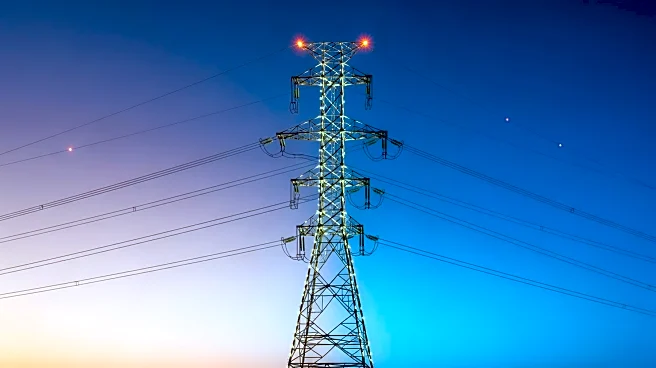
Libya is positioned as a potential key player in the development of power interconnectors across North Africa, which aim to link the region's electricity grids with Europe. This initiative is part of a broader effort to diversify energy supplies and reduce
carbon intensity in Europe. Libya, with its significant natural gas resources and gas-fired generation capacity, could provide stable baseload power. The country is in discussions with neighboring Algeria and Tunisia to explore linking their national grids, contributing to a wider North African transmission network. A notable project in this initiative is the ELMED interconnector, a planned subsea cable linking Tunisia and Sicily, expected to transmit up to 600 MW of power in both directions.
Why It's Important?
The development of power interconnectors between North Africa and Europe represents a significant shift in the energy landscape, offering a complementary link to traditional oil and gas trade. For Europe, this diversification is crucial in navigating volatile energy markets and geopolitical risks. The integration of electricity trade, alongside LNG exports, provides a more resilient and flexible energy supply system. For North African countries like Libya, this initiative could lead to increased investment in grid modernization and infrastructure, potentially boosting economic growth and energy security in the region.
What's Next?
The emerging opportunity of electricity trade between North Africa and Europe is expected to be a focal point at the upcoming Invest in African Energy Forum in Paris. Policymakers, utilities, and investors will assess new cross-border infrastructure and generation projects. If current interconnector and grid initiatives progress as planned, the Mediterranean energy corridor could expand beyond pipelines and LNG shipping routes to include large-scale power transmission, further integrating North African and European energy markets.