




What's Happening?
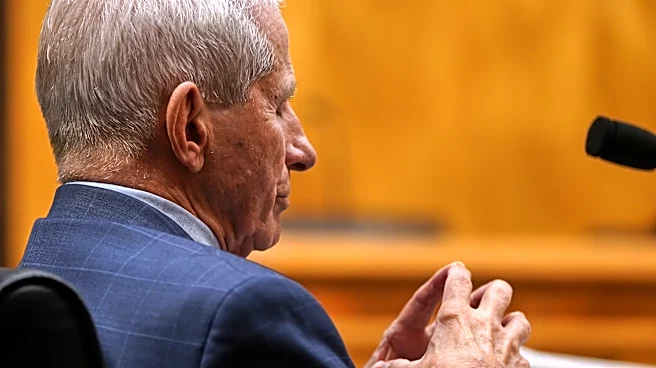
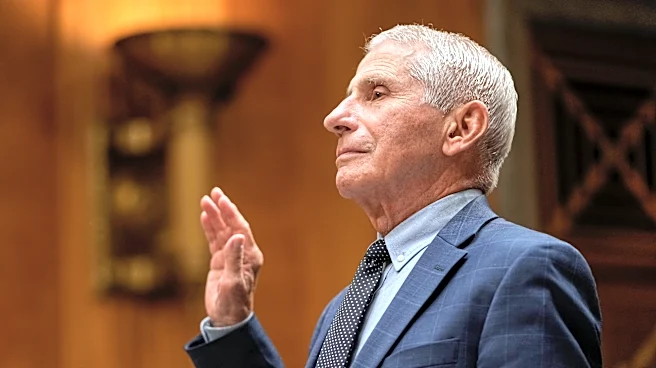
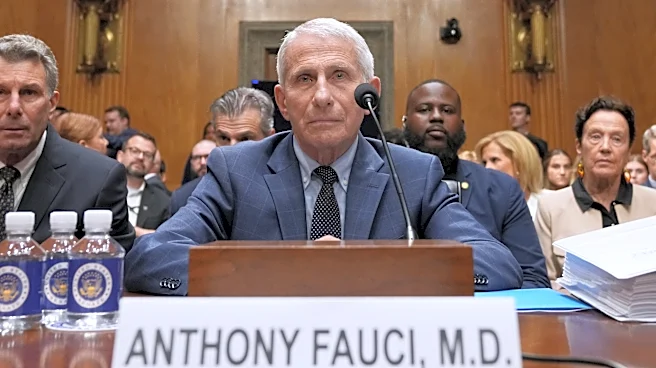
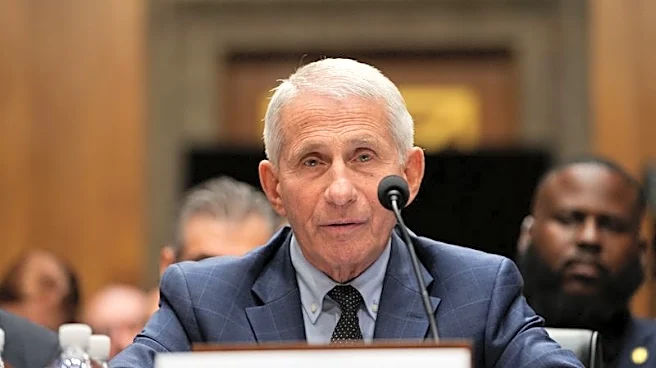
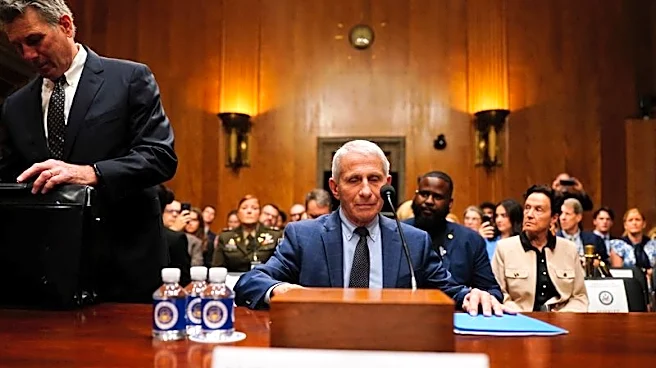
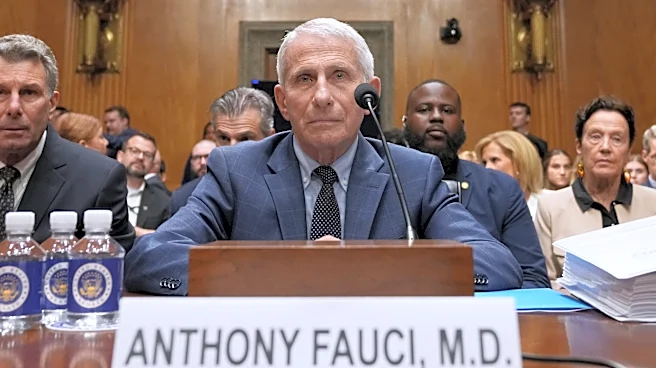
Dr. Anthony Fauci invoked the Fifth Amendment during a Senate hearing on July 29, 2026, to avoid answering questions about his leadership during the COVID-19 pandemic. This move was criticized by Republican Senator Josh Hawley, who questioned Fauci's
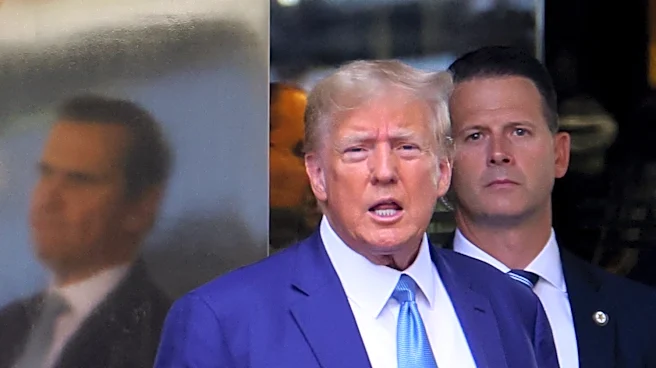
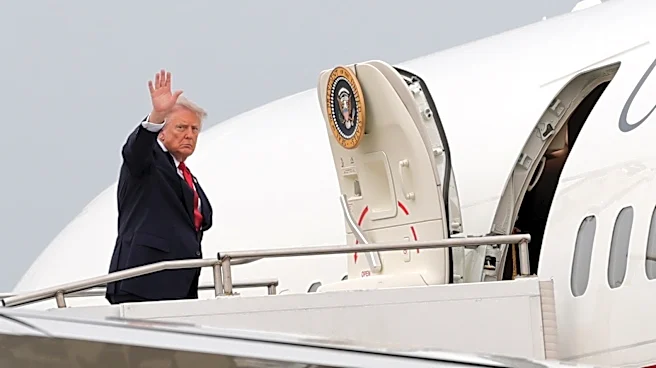
honesty. However, President Trump had similarly invoked the Fifth Amendment over 440 times during a 2022 deposition related to an investigation by the New York Attorney General into the Trump Organization's finances. Trump defended his use of the Fifth Amendment, citing a politically motivated investigation. The hearing and subsequent reactions highlight ongoing political battles over pandemic responses and legal accountability.
Why It's Important?
The use of the Fifth Amendment by both Fauci and Trump underscores its role as a critical legal protection in high-stakes political and legal scenarios. This situation illustrates the contentious nature of political discourse in the U.S., where legal rights are often scrutinized and politicized. The contrasting reactions to Fauci and Trump's use of the Fifth Amendment reflect partisan divides and the challenges of maintaining public trust in political and legal institutions. The incident may influence public perceptions of accountability and transparency among political leaders, impacting future political and legal proceedings.
What's Next?
The Senate committee, led by Senator Rand Paul, may vote on holding Fauci in contempt of Congress, which could lead to further legal and political consequences. This development could intensify partisan tensions and influence upcoming legislative sessions. Additionally, the ongoing scrutiny of Trump's legal cases may continue to shape political narratives and public opinion, particularly as the 2024 presidential election approaches. Stakeholders, including political leaders and legal experts, will likely continue to debate the implications of invoking the Fifth Amendment in such high-profile cases.