







What's Happening?
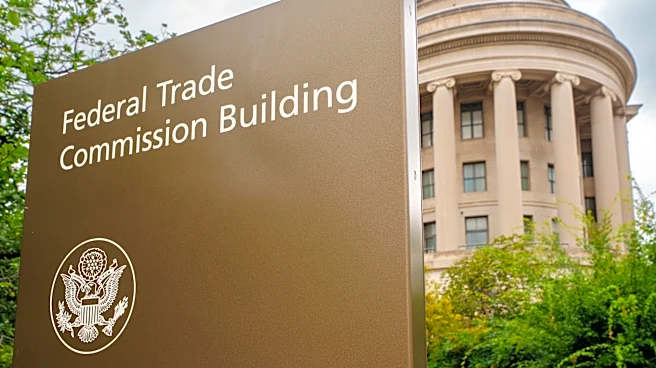
The Federal Trade Commission (FTC) has issued a specific warning to veterans regarding a fraudulent scheme promoting a non-existent 'Veterans Savings Program.' Veterans have reported receiving official-looking postcards or letters claiming they qualify
for this special savings program, additional benefits, reduced mortgage payments, or other financial opportunities. According to the FTC, these mailers are deceptive and are designed solely to trick veterans into divulging their personal or financial information. This scam is part of a broader trend of financial fraud targeting veterans, who are often seen as vulnerable due to their access to various benefits. Scammers frequently use official-sounding language, patriotic imagery, and government-style seals to make their solicitations appear legitimate, even when they are not affiliated with any government agency or legitimate financial institution. The FTC's warning emphasizes the importance of vigilance and verification for veterans receiving such unsolicited offers.
Why It's Important?
This warning from the FTC is crucial because it highlights a persistent and predatory issue of financial scams targeting U.S. veterans. Veterans, service members, and their families are often targeted due to their access to specific benefits, making them attractive to fraudsters. These scams can lead to significant financial losses, identity theft, and emotional distress for those who have served the country. The 'Veterans Savings Program' scam specifically preys on the trust veterans may have in official communications and their desire to access legitimate benefits. The broader impact extends beyond individual financial harm, as such scams erode trust in legitimate government programs and financial institutions. It also underscores the need for continuous education and awareness campaigns to protect this vulnerable population. The FTC's direct intervention aims to prevent veterans from falling victim to these deceptive practices, safeguarding their financial well-being and personal information.
What's Next?
Veterans and their families are advised to exercise extreme caution when receiving unsolicited mailers or communications promising financial benefits or savings programs. The FTC recommends verifying any such offers directly with official government sources, such as the Department of Veterans Affairs (VA), using official contact information rather than relying on contact details provided in suspicious mailers. Financial institutions and veteran support organizations are also likely to amplify these warnings, providing resources and guidance to help veterans identify and avoid scams. Law enforcement agencies may also investigate the origins of these fraudulent mailers to identify and prosecute the perpetrators. Continued vigilance from veterans and their families, coupled with proactive reporting of suspicious activities to the FTC and other relevant authorities, will be critical in combating these ongoing scam efforts. Educational initiatives will likely continue to emphasize the importance of never sharing personal or financial information in response to unverified solicitations.
Beyond the Headlines
The prevalence of scams targeting veterans, as highlighted by the FTC's warning, points to a deeper societal issue of exploiting those who have served. These fraudulent schemes often leverage patriotic sentiments and the inherent trust veterans place in official communications, turning their service into a vulnerability. Ethically, such scams represent a profound betrayal of trust and a disrespect for the sacrifices made by military personnel. Legally, prosecuting these scammers can be challenging due to their often sophisticated methods and cross-jurisdictional operations, necessitating robust inter-agency cooperation. Culturally, the continuous targeting of veterans underscores a need for stronger community support networks and educational initiatives tailored to their specific vulnerabilities. It also raises questions about the effectiveness of current consumer protection mechanisms in reaching and safeguarding all segments of the population, particularly those who may be less digitally savvy or more susceptible to emotionally manipulative tactics. The ongoing fight against these scams is not just about financial protection but also about upholding the dignity and security of those who have served the nation.