
What's Happening?
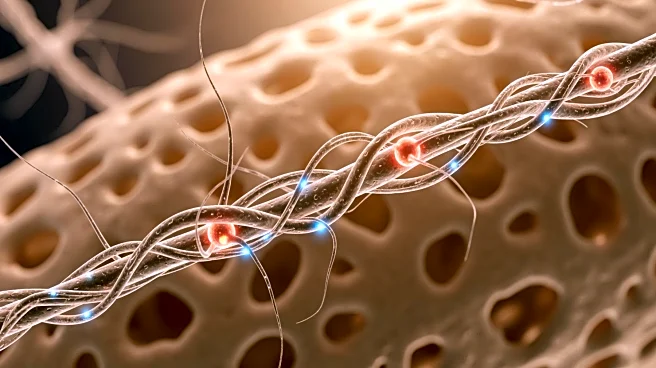
The nerve-immune axis has been identified as a key player in modulating bone regeneration, according to recent research. This axis involves the interaction between nerve fibers and immune cells, which
is crucial during the early stages of bone healing. Studies have shown that nerve-related factors, such as CGRP (Calcitonin Gene-Related Peptide), influence macrophage polarization, promoting the transition from an inflammatory to a reparative phase. This process is essential for effective bone regeneration, as it facilitates angiogenesis and the recruitment of cells necessary for bone repair. The research highlights the complex interplay between the nervous and immune systems in maintaining bone health.
Why It's Important?
Understanding the role of the nerve-immune axis in bone regeneration has significant implications for medical treatments and therapies. By elucidating the mechanisms through which nerve fibers influence immune responses, researchers can develop targeted therapies to enhance bone healing. This is particularly relevant for conditions such as osteoporosis and fractures, where effective bone regeneration is critical. The findings could lead to new therapeutic strategies that leverage the nerve-immune axis to improve outcomes in patients with bone-related conditions, potentially reducing recovery times and improving quality of life.
What's Next?
Future research is likely to focus on further unraveling the molecular mechanisms underlying the nerve-immune interactions in bone regeneration. This could involve exploring the potential of nerve-related factors as therapeutic targets for enhancing bone healing. Additionally, clinical trials may be conducted to test the efficacy of treatments that modulate the nerve-immune axis in patients with bone disorders. As the understanding of this complex system deepens, it could pave the way for innovative approaches to treating a range of bone-related conditions, ultimately improving patient care and outcomes.