









What's Happening?
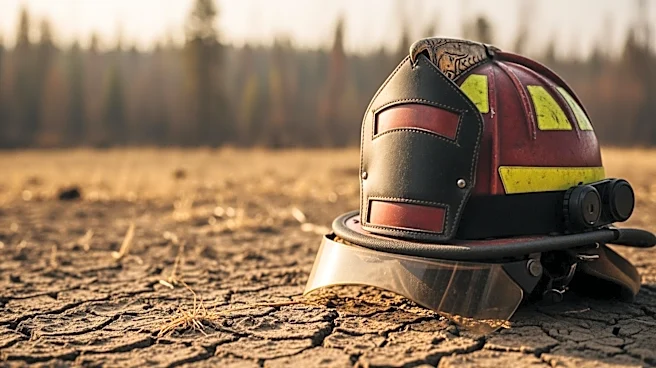
The newly established U.S. Wildland Fire Service is gearing up for what could be one of the most severe fire seasons in recent history. Created by the Trump administration, the agency is tasked with consolidating federal efforts to combat wildfires. Brian
Fennessy, the head of the service, has indicated that the agency is increasing its resources, including aircraft and fire crews, to address the anticipated surge in wildfires. Experts like Park Williams from UCLA advocate for more preventative measures, such as large prescribed fires, to prevent catastrophic fires. However, the current policy prioritizes extinguishing fires over prevention, which has sparked debate among wildfire experts.
Why It's Important?
The preparation for an extreme fire season is crucial as it impacts public safety, environmental health, and economic stability. Wildfires can cause significant damage to ecosystems, property, and air quality, affecting millions of Americans. The approach taken by the U.S. Wildland Fire Service could set a precedent for future fire management strategies. The debate over prevention versus suppression highlights the need for a balanced approach to wildfire management, which could influence policy decisions and resource allocation in the future.
What's Next?
As the fire season progresses, the effectiveness of the U.S. Wildland Fire Service's strategies will be closely monitored. The agency's ability to manage resources and implement preventative measures could influence future policy decisions. Stakeholders, including environmental groups and local governments, may push for more comprehensive fire management strategies that incorporate both prevention and suppression. The outcome of this fire season could lead to changes in federal and state wildfire policies.